
Dental Implants: A Perfect Solution

a perfect solution to dental implants

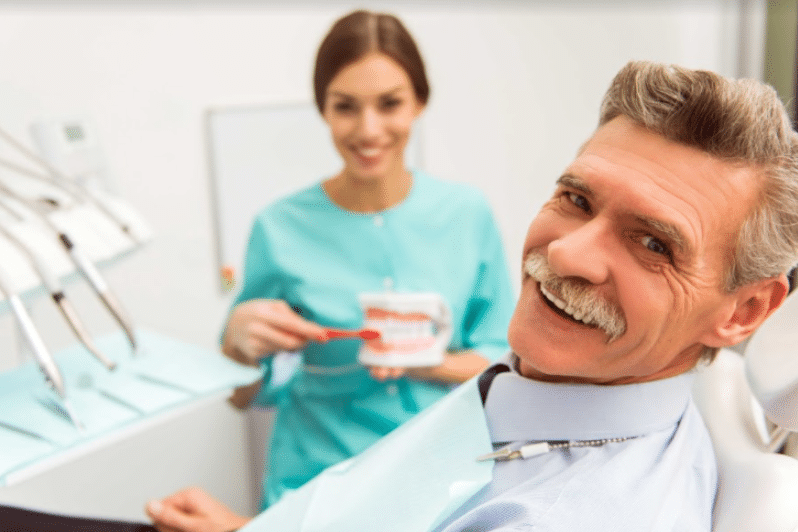
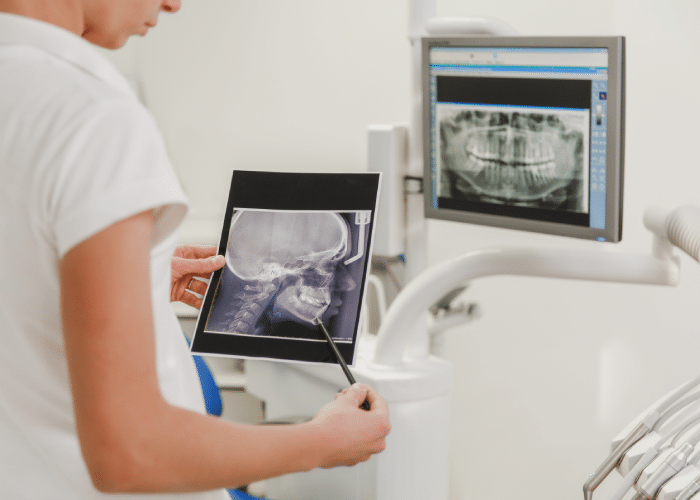
Many people will lose one or more teeth over a lifetime — but there is a perfect solution for almost every situation. Dental implants are the most effective and most popular way of filling the gap, and are the method most likely to be recommended by your dentist. 

An implant consists of a dental crown permanently attached to a post which is surgically embedded into the jawbone. This is a tried-and-true procedure that as given millions of people a beautiful replacement tooth. Once placed by your dentist, an implant is:

  • Permanent
  • Natural looking
  • Solid and robust, functioning just like a natural tooth

Implants look, act, and feel just like natural teeth with the added advantages that they don’t get cavities or need any special care or attention. Read more at https://yourdentalhealthresource.com/dental-implants-can-restore-your-smile/.
What to Know about Untreated TMJ

what to know about untreated TMJ

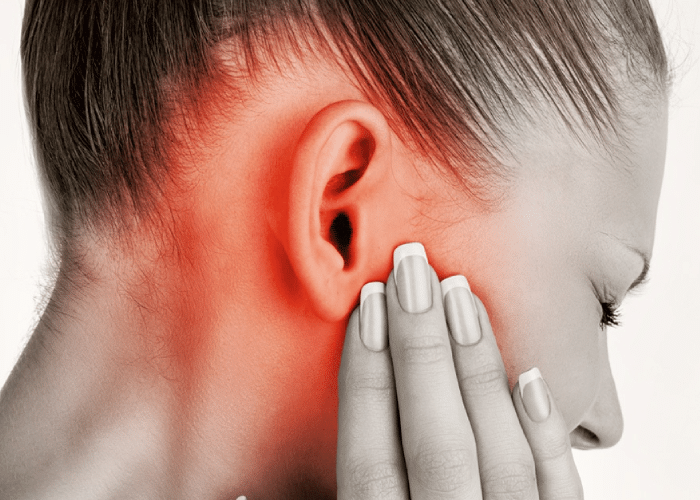
TMJ or temporomandibular joint disorder refers to a range of problems connected to issues with the jaw. If left untreated, symptoms can worsen over time.

Key takeaways:

– TMJ is associated with teeth-grinding which can damage teeth and cause pain around the jaw.

– TMJ may be connected with headaches, dizziness and tinnitus.

– The cartilage in the jaw may deteriorate more quickly with TMJ creating more problems with how the jaw works. 

If you experience jaw pain, clicking sounds or problems with using your jaw, see your dentist for an assessment.

Article:

https://yourdentalhealthresource.com/the-consequences-of-untreated-tmj/

Happy Father’s Day

happy father's day

Hyperdontia: Symptoms and Your Treatment Options

hyperdontia symptoms and treatment

Those who have extra teeth are diagnosed with a condition known as “hyperdontia”. This is a relatively rare condition that can cause problems. Let’s take a look at some important information so that you can find the best solution:

  • Extra teeth may be present on the inside or outside of the gums.
  • Men are slightly more likely to be diagnosed with hyperdontia.
  • Common solutions include the removal of extra teeth and orthodontic adjustments. 

“You can always follow up with your experienced dentist to pursue treatment options for your extra teeth.”

Check out this link below for more details:

https://yourdentalhealthresource.com/hyperdontia-fast-facts-about-extra-teeth/

The Best and Worst Sweet Treats for Children

best and worst sweet treats for children

Most children love sweet treats, but some treats are more damaging to teeth than others.

Key takeaways:

– Gums and sticky toffees can stick to tooth enamel for long periods of time and allow sugar to attack tooth enamel.

– Very hard sweets can cause damage to teeth.

– Dark chocolate has less sugar and some nutritional benefits so is a better choice.

Sugar-free gum has been shown to increase saliva which helps protect teeth against acids which can attack tooth enamel.

“Even if your child isn’t big on candy, it’s important not to miss their regular check-ups with their dentist.”

More:

https://yourdentalhealthresource.com/which-candies-are-best-and-worst-for-your-childs-teeth/

How Do Other Health Conditions Affect Your Oral Health?

health conditions affect oral health

Certain medical conditions can also affect our teeth and compromise our oral health in general. So how does this occur? Keep reading to learn more. 

Key takeaways:

• Pregnancy can increase the amount of hormones in the body and therefore cause gum disease.

• Diabetes causes dry mouth which increases the risk for developing cavities and gum disease.

• Conditions such as HIV and cancer may lower your immune system and result in infections and oral thrush.

Visit your dentist if you have conditions that are compromising your oral health.

Read more here https://yourdentalhealthresource.com/conditions-that-may-be-linked-to-your-dental-health/

What To Eat And What To Avoid After Getting Dentures

what to eat and what to avoid after getting dentures

Getting used to dentures can take a while. During the first few weeks, it’s best to remove certain foods off your daily meals until you feel 100% comfortable.

Key takeaways:

  • Stick to foods that don’t require much chewing, like porridge, soups, smoothies, yoghurt, and fish.
  • Avoid hard foods and those that can stick to the teeth, like hard fruit, candy, apples, crusty bread, and nuts.
  • Follow your dentist instructions to keep dentures in good condition.

Once you get used to your new dentures, you’ll able to eat everything you wish.

Read the full story here: https://yourdentalhealthresource.com/what-to-eat-when-learning-to-eat-with-dentures/ 

Can A Dentist Reverse Your Tooth Sensitivity?

reverse tooth sensitivity

Tooth enamel damage can result in tooth sensitivity. Treatment from your dentist can ease your tooth sensitivity, although they may not be able to fully reverse the sensitivity.

Key takeaways:

  • Sensitivity resulting from gum disease or cavities can usually be improved.
  • Improvement may be more limited with sensitivity caused by enamel worn down over time through exposure to acidic foods and drink.
  • Regular brushing with a soft-bristled toothbrush can help prevent tooth sensitivity developing.

“Visiting your dentist is also an important part of protecting your tooth enamel and preventing oral health conditions that can lead to sensitive teeth, such as tooth decay and gum disease. The best treatment for tooth sensitivity is preventing it in the first place!”

Read the full story here

https://yourdentalhealthresource.com/is-teeth-sensitivity-reversible/

How to Obtain Relief from TMJ

obtain relief from TMJ

Millions of people suffer from temporomandibular joint (TMJ) disorder and this condition can cause a significant amount of pain. It may be caused by bruxism (inadvertently grinding your teeth), stress, or an improperly aligned bite. There are many treatments which can now be offered by a dentist or an orthodontist including:

  • You could be prescribed an appliance which prevents you from grinding your teeth.
  • It may be best to avoid specific foods.
  • Surgery might be required in more advanced cases.

“If you suffer from TMJ discomfort, there are treatment options available, many of which are non-invasive.”

Read more about TMJ disorder here:

https://yourdentalhealthresource.com/how-does-a-dentist-treat-tmj/

Three Reasons To Look After Your Smile

three reasons to look after your smile

Following a good oral care routine can help prevent conditions like gum disease and decay. But there are other good reasons to look after your teeth.

Key takeaways:

  • Knowing that you have healthy teeth and gums can give you confidence to smile more often.
  • This can communicate a positive impression to other people and make them feel drawn to you.
  • Last but not least, smiles are contagious!

If you’re concerned about how your teeth look and this is stopping you from smiling often, it’s time to visit your dentist and find a solution.

Read the full story here: https://yourdentalhealthresource.com/why-your-smile-is-so-important/