How to Quickly Recover from a Tooth Extraction

how to quickly recover from a tooth extraction

Recovering after one or more teeth haven been removed is an important process in order to avoid subsequent infections. Many of the most powerful tips are clear and straightforward. Let’s take a quick look at three takeaway points to keep in mind.

– Complete the antibiotic cycle recommended by your dentist.

– Avoid dislodging the clot, as this can lead to dry socket.

– Try not to perform any strenuous activities for between three and five days after the procedure.

“Check with your dentist on how you can maintain oral hygiene without causing damage to the surgery site.”

Check out these additional recovery tips:

https://yourdentalhealthresource.com/tooth-extraction-aftercare-4-tips-for-speedy-recovery/


What You Should Know About Crown Lengthening Treatment

what you should know about crown lengthening treatment

Your dentist may have recommended a crown lengthening procedure if you have a gummy smile or need a restoration. Here’s what you should know about this treatment.

Key takeaways:

– This procedure only requires local anaesthesia, which means down time is minimal.

– Full recovery may take up to 2 weeks.

–  Any post-procedure discomfort can be dealt with over-the-counter painkillers.

Your teeth and gums can certainly benefit from a crown lengthening procedure, so don’t postpone it if your dentist has recommended it.

Read the full story here: https://yourdentalhealthresource.com/what-is-dental-crown-lengthening-and-when-is-it-needed/


How to Bust Bad Breath Associated with the Keto Diet

bust bad breath associated with the Keto Diet

The low-carbohydrate nature of the keto diet may help you to lose weight, but your breath might be sacrificed. This diet can impact your teeth and gums; leading to foul odours. What suggestions will your dentist recommend so that you can effectively overcome such a condition?

– Be sure to keep adequately hydrated by drinking water throughout the day.

– Chew sugar-free gum to produce more saliva.

– Be sure to brush and floss on a regular basis.

“When your body releases ketones, they leach into your urine and breath; hence, the foul smell.”

Learn about other dentist-approved suggestions here:

https://www.popsugar.co.uk/fitness/Why-Does-Keto-Diet-Give-You-Bad-Breath-45049055?utm_medium=redirect&utm_campaign=US:ES&utm_source=direct


Keep Your Children’s Teeth Healthy With These Summer Snacks

keep children's teeth healthy with these summer snacks

Summer is the perfect time to come up with some tasty and healthy treats that will keep your kids’ teeth in good shape.

Key takeaways:

– Create fruit pizza with watermelon slices as the “crust” and let your kids choose fruit toppings.

– Use popsicle molds to make your own frozen fruit bars.

– Homemade frozen yogurt bark is easy to make, full of calcium, and nutritious.

Get creative this summer and you’ll help reduce trips to the dentist to the minimum.

Read the full story here: https://yourdentalhealthresource.com/healthy-summer-snacks-your-teeth-and-your-kids-will-love/


What Causes Black Teeth? Why a Tooth May Turn Black

what causes of black teeth and how do I prevent it

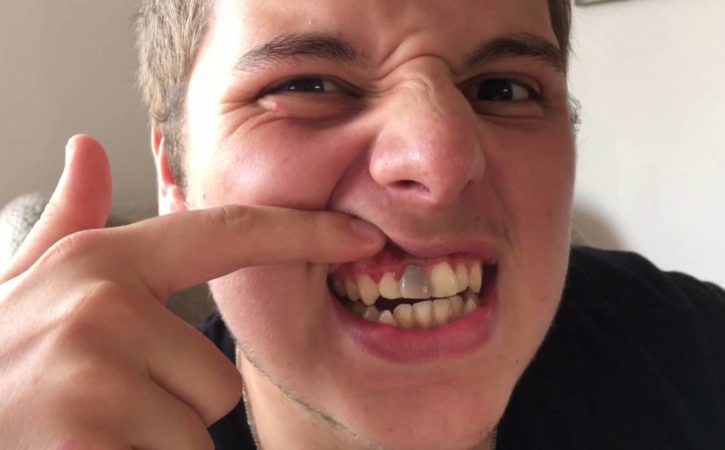
Noticed a black tooth or dark spot on one of your teeth? Tooth discolouration can happen for several reasons, ranging from surface staining to tooth decay or damage inside the tooth.

While some dark marks may be caused by staining, a tooth that is turning black should always be checked by a dentist. The right treatment will depend on what is causing the discolouration.

What causes black teeth?
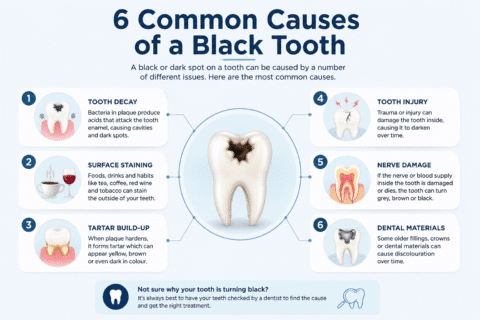
Infographic showing six common causes of black teeth including tooth decay, staining, tartar, injury and nerve damage

A black tooth can be caused by a problem affecting the outside of the tooth or by changes happening inside it. Some of the most common causes include:

Tooth decay

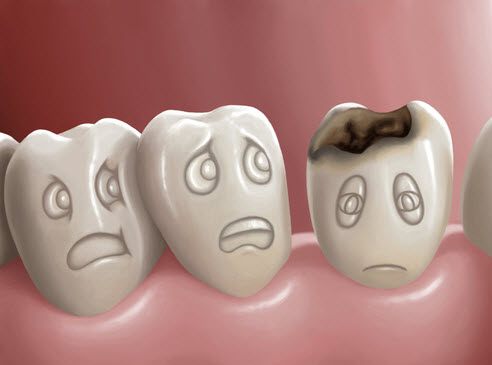
Tooth decay is one of the most common causes of black spots or dark areas on teeth. Decay occurs when bacteria in plaque produce acids that damage the tooth surface.

In its early stages, tooth decay may cause no symptoms. As it progresses, you may notice a brown or black spot, a visible hole in the tooth, sensitivity or toothache.

If left untreated, decay can spread deeper into the tooth and may eventually affect the nerve inside.

Surface staining

Some foods, drinks and habits can gradually stain the outside of your teeth. Tea, coffee, red wine and tobacco can all contribute to darker discolouration over time.

Plaque and tartar can also attract staining, particularly around the gum line. However, it is important not to assume that every dark mark is simply a stain. A dentist can examine the tooth and determine the cause.

Tartar build-up

When plaque is not removed effectively, it can harden into tartar. Tartar can appear yellow, brown or darker in colour, particularly when it becomes stained.

Professional cleaning may be needed to remove tartar, as it cannot usually be removed through brushing alone.

Injury or trauma to the tooth

A tooth can sometimes become dark after being knocked, damaged or injured. This may happen immediately or even some time after the original injury.

Trauma can affect the blood and nerve supply inside the tooth, causing it to change colour. An injured tooth may appear grey, brown or black and should be assessed by a dentist. In some cases, root canal treatment may be required.

Damage to the nerve inside the tooth

If the nerve and blood supply inside a tooth become damaged or stop functioning, the tooth may gradually darken from the inside.

This can happen following trauma or as a result of deep tooth decay. Because the cause is inside the tooth, surface cleaning or ordinary whitening may not be enough to treat the problem.

Certain medications or dental materials

Some medications and dental materials can contribute to tooth discolouration. Certain older restorations may also affect the appearance of a tooth.

The cause of the discolouration should be identified before deciding on treatment, particularly if only one tooth has changed colour.

Why is only one tooth turning black?

If one tooth is becoming noticeably darker than the surrounding teeth, it is particularly important to have it checked.

A single black or dark tooth may be caused by:

  • Tooth decay
  • Previous damage or trauma
  • Damage to the nerve inside the tooth
  • A problem beneath an existing filling or restoration
  • Internal tooth discolouration

Your dentist can examine the tooth and may recommend X-rays or other assessments to identify the underlying cause.

Can black teeth be treated?

Yes, in many cases a black or discoloured tooth can be treated. However, the right treatment depends entirely on what is causing the colour change.

Possible treatments may include:

Professional cleaning

If the dark appearance is caused by surface staining or tartar, professional cleaning may help restore the natural appearance of the teeth.

A filling

If tooth decay has caused a cavity or dark area, the decayed portion of the tooth may need to be removed and restored with a filling.

Root canal treatment

If decay or damage has reached the soft tissue inside the tooth, root canal treatment may be needed to remove damaged or infected tissue and help preserve the tooth.

A crown

If a tooth is severely weakened, damaged or heavily restored, a crown may be recommended to protect and restore it.

Teeth whitening

Professional teeth whitening may be suitable for some types of tooth discolouration, particularly external staining. However, whitening is not the right solution for every black or dark tooth.

It is important to identify why the tooth has changed colour before considering cosmetic treatment.

How can I prevent black teeth?

Not every cause of tooth discolouration can be prevented, but good oral hygiene and regular dental care can help reduce the risk of tooth decay and staining.

To help keep your teeth healthy:

  • Brush your teeth twice a day with fluoride toothpaste
  • Clean between your teeth every day
  • Avoid frequent sugary food and drinks
  • Limit habits that can cause staining, such as smoking
  • Attend regular dental check-ups
  • Visit a dentist if you notice a new dark spot or change in the colour of a tooth

Regular check-ups can help identify decay and other dental problems before they become more serious.

When should I see a dentist about a black tooth?

You should book a dental appointment if you notice a new black spot, dark patch or unexplained change in the colour of a tooth.

You should seek dental advice sooner if the discolouration is accompanied by:

  • Toothache
  • Sensitivity to hot, cold or sweet foods and drinks
  • Swelling
  • A visible hole or crack in the tooth
  • A bad taste in your mouth
  • A tooth that has suddenly changed colour following an injury

The earlier the cause is identified, the more options there may be for treating and preserving the tooth.

Worried about a black tooth?

A black tooth is not always caused by the same problem, which is why it is important to have it examined rather than trying to treat the discolouration yourself.

At Brunel Dental Practice, we can assess your teeth, identify the possible cause of the discolouration and discuss the most appropriate treatment options with you.

If you have noticed a black tooth, dark spot or unexplained change in the colour of your teeth, contact our team to arrange an appointment.

Frequently asked questions about black teeth

Can a black tooth turn white again?

It depends on what has caused the tooth to turn black. Surface staining may improve with professional cleaning, while other causes may require treatment such as a filling, root canal treatment, whitening or a crown.

Is a black spot on my tooth always decay?

No. A dark spot can sometimes be caused by staining or other types of discolouration. However, black or brown spots can also be a sign of tooth decay, so it is best to have the tooth checked by a dentist.

Can tooth decay cause a black tooth?

Yes. As tooth decay develops, it can cause brown or black spots and eventually lead to cavities. More advanced decay can affect deeper parts of the tooth and require more extensive treatment.

Why has my tooth turned black after an injury?

An injury can damage the nerve and blood supply inside a tooth, which may cause the tooth to become discoloured. This can happen some time after the original injury, so it is important to have the tooth assessed by a dentist.

Can I whiten a black tooth at home?

It is best to find out why the tooth has turned black before attempting to whiten it. Some causes, such as decay or damage inside the tooth, will not be resolved with ordinary whitening and may require dental treatment instead.

 

E-cigarettes Increase Your Risk of Cancer

e-cigarettes increase your risk of cancer

E-cigarettes users are convinced that these smoking devices are not harmful. However, studies show that e-cigarettes are harmful to your general health. Here’s more.

Main points:

– Vaping contains nicotine, which slows blood flow and causes gum inflammation.

– Nicotine e-cigarettes increase your risk of oral cancer and respiratory diseases.

– Metal chemicals and the nicotine causes mouth dryness, which can lead to infections.

Vaping is safer than typical cigarettes but you are still at risk of gum disease. Prevent oral diseases by brushing your teeth and seeing the dentist regularly for checkups.

Read more here:

https://yourdentalhealthresource.com/can-vaping-impact-your-oral-health/


Why is Visiting the Dentist Good for Your Psychological Health?

why is visiting the dentist good for your psychological health

Visiting the dentist is essential to get teeth cleaned if you hope to avoid cavities and gum disease. However, were you aware that the associated benefits go far beyond your teeth? You will be surprised to learn the positive results!

– Sporting a clean smile can help to increase your confidence.

– You reduce risk of chronic diseases like heart disease when you prevent gum disease, as you will help reduce inflammation throughout the body.

– It is wise to schedule a cleaning at least once every 12 months.

“Recent research suggests that skipping regular dental appointments could lead to poorer quality of life.”

See what else industry leaders have to say:

https://yourdentalhealthresource.com/the-consequences-of-skipping-those-yearly-teeth-cleanings/


Are Tongue Piercings Safe For Your Dental Health?

are tongue piercings safe for your dental health

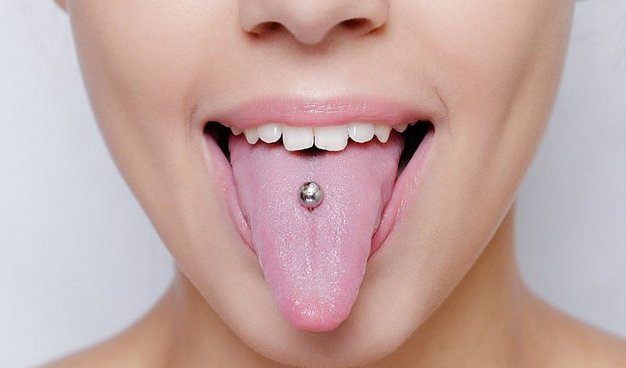
Tongue piercings are popular among people of all ages, but despite their “cool factor”, medical research suggests that they are not safe for your teeth.

Key takeaways:

– Studies have found that people with tongue piercings are at higher risk for gum disease.

– Cracked teeth, irritation, and sensitivity are other common issues caused by piercings.-

– The risks increase with piercings that are close to the teeth.

If your piercing is causing problems, get a full check up with your dentist.

Read the full story here: https://consumer.healthday.com/dental-and-oral-information-9/misc-dental-problem-news-174/tongue-piercings-may-bring-harm-to-teeth-and-gums-735168.html


Tooth Bonding: A New Smile for a New You

a new smile for a new you

Do you have issues with your teeth such as cracks, gaps or discolourations? If so, a composite resin known as dental bonding compound could help. What are some of the main benefits of this material and why might your dentist recommend such an option?

This bonding material:

– Fills tooth cracks, chips, cavities, and other imperfections.

– Formulated to match the colour of your teeth.

– Represents a lifelong solution if cared for properly.

“Tooth bonding is an excellent choice for chips that may be plaguing your teeth.”

Learn more here:

https://yourdentalhealthresource.com/how-can-tooth-bonding-improve-my-smile/


How Long Will I Need to Heal After a Gum Graft?

how long will I need to heal after a gum graft

A gum graft is a dental procedure taking healthy gum tissue from the roof of the mouth to counter the effects of receding gums — and prevent loose teeth. A dentist will consult with you on the treatment options available.

– Healing from a gum graft is generally quick, between one and two weeks.

– Following a gum graft people may experience teeth sensitivity, especially with hot and cold foods.

– Following the procedure, the gums will feel firmer and tighter.

“By maintaining good oral hygiene, and visiting a dentist for routine checkups on a regular basis, a person can reduce their risk of developing gum disease and catching it early should it begin to develop.”

Read the full story here

https://www.medicalnewstoday.com/articles/322115.php