
Uncategorised
How to Maintain White Teeth Between Professional Cleanings
A professional dental cleaning leaves teeth feeling smooth and looking bright, but the work doesn’t stop once you leave the surgery. Maintaining that “just-cleaned” feeling requires a consistent approach to oral hygiene at home. For patients in Swindon, following a few evidence-based habits can help prevent the buildup of plaque and surface stains between your six-monthly check-ups.
The Foundation: Precision Brushing and Flossing
While it sounds simple, the technique used during your daily routine is the most critical factor in oral health.
- Two Minutes, Twice a Day: Brushing for a full two minutes ensures that all surfaces of the teeth are reached.
- The Power of Electric: Consider using an electric toothbrush with a pressure sensor to avoid scrubbing too hard, which can wear down enamel.
- Interdental Cleaning: Brushing alone only cleans about 60% of the tooth’s surface. Using floss or interdental brushes once a day is essential to remove bacteria from between the teeth where a standard brush cannot reach.
Mindful Consumption
What is consumed significantly impacts the brightness of a smile. Certain foods and drinks are notorious for causing extrinsic staining on the enamel.
- Watch the Tannins: Beverages like coffee, tea, and red wine contain tannins that can discolour teeth over time.
- Rinse After Eating: If consuming acidic or highly pigmented foods, rinsing the mouth with water immediately afterwards can help neutralise acids and wash away staining agents.
- Stay Hydrated: Drinking water throughout the day helps stimulate saliva production, which is the mouth’s natural defence against plaque-causing bacteria.
Targeted Protection
Using the right products can provide an extra layer of defence for your enamel.
- Fluoride is Key: Ensure your toothpaste contains fluoride, which helps to remineralise enamel and make it more resistant to acid attacks.
- Avoid Abrasive Whitening Pastes: Some whitening toothpastes are highly abrasive and can wear down enamel if used too frequently. Consult with a dental professional before starting a new whitening regimen.
The Role of Regular Maintenance
Even with a perfect home routine, some plaque will inevitably harden into tartar, which can only be removed by a dental professional using specialised tools. Sticking to your scheduled hygiene appointments at the practice ensures that any buildup is managed before it leads to more serious issues like gum disease.
Conclusion
Maintaining a bright, healthy smile is a partnership between professional care and diligent home maintenance. By focusing on correct techniques and mindful habits, you can keep your teeth in excellent condition until your next visit.
Is it time for your professional cleaning? Contact our Swindon-based team today to book your next hygiene appointment.
Invisalign vs. Braces: Which is Right for Your Lifestyle?
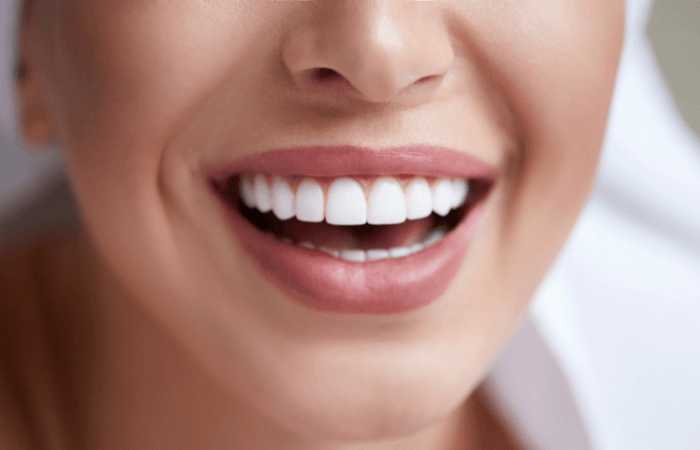
For many adults and teenagers in Swindon, the desire for a straighter smile is often balanced against the practicalities of daily life. Choosing between traditional fixed braces and modern clear aligners like Invisalign is a significant decision. Both methods are effective at correcting dental alignment, but they offer very different experiences in terms of comfort, aesthetics, and maintenance.
The Clear Advantage of Invisalign
Invisalign has become a leading choice for those seeking a more discreet orthodontic journey. Rather than using metal brackets and wires, this system uses a series of custom-made, clear plastic aligners.
- Near-Invisibility: The primary appeal of Invisalign is its transparency, allowing patients to undergo treatment without the “metal mouth” appearance often associated with traditional braces.
- Removability: Unlike fixed braces, Invisalign aligners can be removed for eating, drinking, and special occasions. This means there are no dietary restrictions—you can continue to enjoy crunchy or sticky foods.
- Simplified Hygiene: Because the aligners are removable, brushing and flossing remain straightforward, reducing the risk of plaque buildup during treatment.
When Traditional Braces May Be Preferred
While Invisalign offers high levels of flexibility, traditional fixed braces remain a robust and reliable option for specific clinical needs.
- Complex Corrections: For severe overcrowding or significant bite misalignments, fixed braces may provide the precise control needed to move teeth into the correct position more efficiently.
- No Compliance Required: Because fixed braces are permanently attached to the teeth, there is no risk of forgetting to wear them. This can be an advantage for patients who might struggle to meet the 22-hour daily wear time required for Invisalign.
Impact on Your Daily Routine in Swindon
When deciding between these two options, it is helpful to consider your lifestyle. If your role involves frequent public speaking, client-facing meetings, or active social engagements, the subtle nature of Invisalign may be a significant benefit. Conversely, if you prefer a “set and forget” approach where you do not have to manage removable trays, traditional braces might be the more suitable path.
Making the Choice
The best way to determine which treatment aligns with your goals is through a professional consultation. A thorough assessment of your dental structure and alignment needs will reveal which method will deliver the most effective and timely results for your unique smile.
Conclusion
Both Invisalign and traditional braces are capable of transforming your smile and improving your oral health. By weighing the convenience of clear aligners against the focused strength of fixed braces, you can choose a path that fits seamlessly into your life.
Ready to start your journey to a straighter smile? Contact Brunel Dental Practice in Swindon to book an Invisalign consultation today.
5 Signs It’s Time for a Routine Dental Check-up
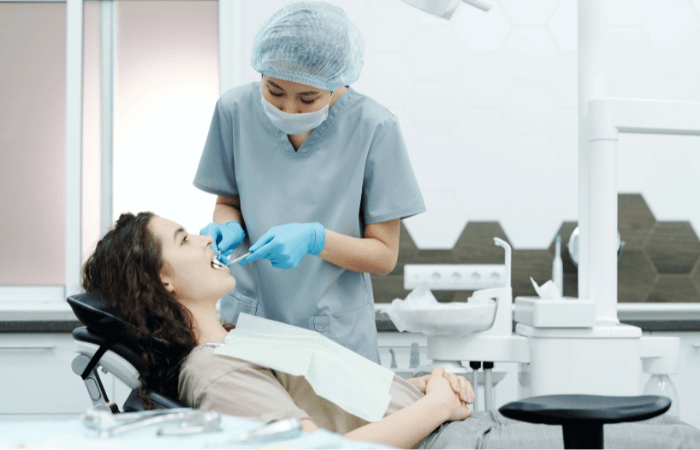
Maintaining a healthy smile involves more than just daily brushing and flossing. While a solid at-home routine is the foundation of oral health, professional intervention is essential for identifying issues that may not be visible to the naked eye. For residents looking for a reliable dentist in Swindon, regular check-ups are the most effective way to prevent minor issues from escalating into costly treatments.
If it has been a while since a professional last examined your teeth, here are five signs that it is time to book an appointment.
Persistent Tooth Sensitivity or Pain
Pain is the body’s way of signalling that something is wrong. Whether it is a sharp sting when drinking cold water or a dull ache that lingers, sensitivity often indicates thinning enamel, a cavity, or an underlying issue with a filling. Addressing this early can often save a tooth from requiring more invasive procedures.
Bleeding or Swollen Gums
Healthy gums should not bleed during regular brushing or flossing. If gums appear red, swollen, or bleed easily, it may be an early sign of gingivitis or periodontal disease. Professional cleanings help remove the hardened plaque (calculus) that causes these infections, keeping the supporting structures of the teeth healthy.
Chronic Bad Breath
While occasional bad breath is often linked to diet, persistent halitosis that does not improve with mouthwash or brushing can be a sign of a deeper issue. It often indicates a buildup of bacteria in the mouth, gum disease, or even tooth decay that requires professional attention.
Changes in the Mouth’s Surface
It is important to keep an eye on the soft tissues of the mouth. Any unusual spots, sores, or patches on the tongue, cheeks, or gums that do not heal within a week or two should be evaluated. Dentists perform oral cancer screenings during routine check-ups to ensure these changes are monitored closely.
It Has Been More Than Six Months
The most common sign that it is time for a check-up is simply the passage of time. Most clinical guidelines suggest a professional examination every six months to stay ahead of plaque buildup and to monitor the integrity of any previous dental work, such as crowns or fillings.
Conclusion
Prevention is always better than a cure. By attending regular appointments, patients can enjoy the peace of mind that their oral health is being managed by professionals. Whether it is a routine cleaning or a comprehensive examination, staying proactive is the key to a lifelong, healthy smile.
Is it time for your next check-up? Contact us today to schedule an appointment and keep your oral health on track.
Restoring Your Smile: Why Dental Implants are the Gold Standard

Losing a tooth can impact more than just the appearance of a smile; it can affect chewing ability, speech, and long-term oral health. While various restorative options exist, dental implants have become the preferred choice for patients and clinicians alike. For those considering tooth replacement in Swindon, understanding why dental implants are considered the “gold standard” is the first step toward a functional, confident smile.
What Are Dental Implants?
Unlike traditional bridges or dentures that sit on top of the gums, a dental implant is a sophisticated prosthetic that replaces the entire tooth structure. A small titanium post is surgically placed into the jawbone, acting as a root. Once integrated with the bone, a custom-made crown is attached, providing a result that looks and feels remarkably like a natural tooth.
The Benefits of Choosing Dental Implants
There are several reasons why this technology is highly regarded in modern restorative dentistry:
- Bone Health Preservation: When a tooth is lost, the underlying jawbone can begin to deteriorate due to a lack of stimulation. Implants are the only restorative option that helps maintain and stimulate natural bone growth.
- Longevity and Durability: With proper care and maintenance, dental implants are designed to be a lifelong solution, making them a highly cost-effective choice over time.
- Stability and Comfort: Because they are anchored into the bone, implants do not slip or shift. This allows for total confidence when eating, speaking, and smiling.
- Protection of Adjacent Teeth: Unlike dental bridges, which often require the reduction of neighbouring healthy teeth, implants stand alone and do not compromise the health of the surrounding dentition.
The Dental Implant Process in Swindon
The journey to a restored smile typically involves a comprehensive initial assessment to evaluate bone density and oral health. Using advanced imaging, a precise treatment plan is created to ensure the best possible aesthetic and functional outcome. Following the placement of the implant post, a healing period allows for osseointegration—the process where the bone bonds to the titanium—before the final bespoke crown is fitted.
Final Thoughts
Dental implants offer a level of permanence and realism that other treatments cannot match. For anyone looking to address tooth loss with a solution that prioritises both health and aesthetics, implants represent a significant investment in quality of life.
Ready to explore your options for dental implants in Swindon? Contact the team today to schedule a consultation and take the first step toward a complete smile.
When Is A Jawbone Graft Necessary?

A bone graft involves bone or synthetic material to replace or regenerate bone in the jaw. The procedure is carried out under local anaesthesia. There are a few reasons why your dentist may suggest having a dental bone graft.
Key takeaways:
- Jawbone grafts are often used to regenerate bone so that dental implants can be inserted successfully when replacing missing teeth.
- Severe gum disease can harm the jawbone as well as gums and can cause bone loss.
- Osteoporosis or a jaw injury may cause bone deterioration.
Your dentist can discuss bone grafts and answer any queries. If you are considering dental implants, your dentist may discuss the need for a bone graft too.
“…less jawbone can mean you aren’t a candidate for dental implants….you can dramatically increase the success of your dental implants for a beautiful and natural-looking smile.”
Read the full article here:
https://yourdentalhealthresource.com/when-is-a-bone-graft-necessary/How Long Do I Need to Wear My Retainer?

Retainers are part of the treatment process to straighten crooked teeth. Your dentist may recommend that you wear a retainer at night for one year, or indefinitely after the treatment is complete. This helps to maintain your teeth in their new positions.
Key takeaways:
– Teeth continue to shift so a retainer helps keep teeth straight.
– Some people who stop wearing their retainer at night will require further treatment in the future.
– Keep your retainer by your toothbrush to make it part of your nighttime oral care routine.
To ensure that your teeth remain straight and to maintain your new smile, make sure that you follow your dentist’s advice and continue to wear your retainer.
“…wearing your retainer is the best way to keep your smile straight and prevent the need for future treatment.”
Read the full article:
https://yourdentalhealthresource.com/do-i-really-need-to-wear-my-retainer-forever-and-why/What Causes Receding Gums?

You’ve probably noticed your teeth are quite sensitive to hot and cold foods/drinks. These are often symptoms of a condition called receding gums — and below we explain what causes it.
Key takeaways:
• When plaque accumulates around your gum line, gum disease can develop and make the gums pull away (recede).
• Aggressively brushing your teeth can also make your gums swell and recede.
• Pregnancy and misaligned teeth can cause gum disease which may later result in receding gums.
Talk to your dentist if you’re experiencing tooth sensitivity. See your dentist every six months so these problems get treated promptly, to avoid further complications.
Read more https://yourdentalhealthresource.com/why-do-gums-recede/
Is there a cure for TMJ?

Temporomandibular joint (TMJ) is a disorder that affects the jaw joint, causing pain or discomfort when speaking or chewing. Although TMJ can be chronic, there may be cure for it depending on the root cause.
Key takeaways:
- TMJ caused by teeth grinding can improve if you address the underlying condition.
- The same applies if TMJ is the result of an accident, whose effects may improve over time.
- Treating arthritis can alleviate TMJ symptoms.
If you experience jaw pain that extends to the teeth or mouth, don’t hesitate to visit your dentist.
Read the full story here: https://yourdentalhealthresource.com/can-tmj-be-cured/
Cracked Teeth- Causes, Symptoms and Treatment
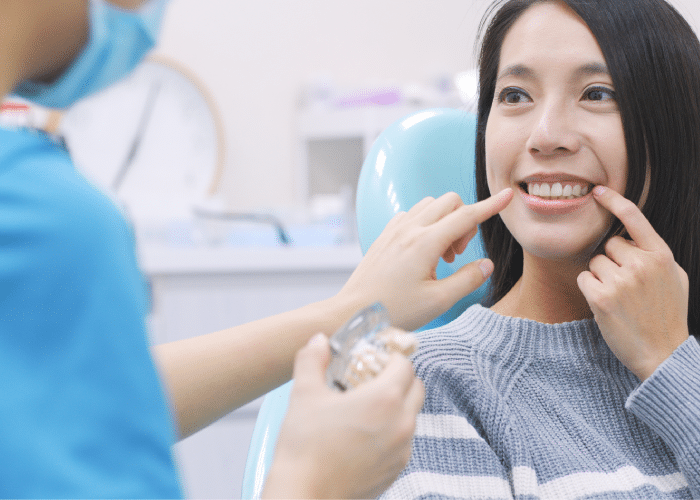
Chipped, broken or cracked teeth can lead to serious oral problems if left untreated. Here are a few things you should keep in mind if you have a crack in your tooth — or if you suspect that your tooth is cracked.
Key takeaways:
• A tooth can get cracked from blunt force trauma, chewing hard foods and objects such as pens and grinding your teeth. Also, large fillings can put immense pressure on the tooth and cause it to fracture.
• Cracks on your tooth may not be visible but after a while you may start experiencing pain and tooth sensitivity.
• Cracks often require minimal treatment such as dental bonding. However, visit your dentist as soon as you spot the fracture because it can get worse and result in a painful infection.
Seek your dentist’s advice to know if your cracked tooth needs professional treatment.