
Tooth Bonding: A New Smile for a New You

a new smile for a new you

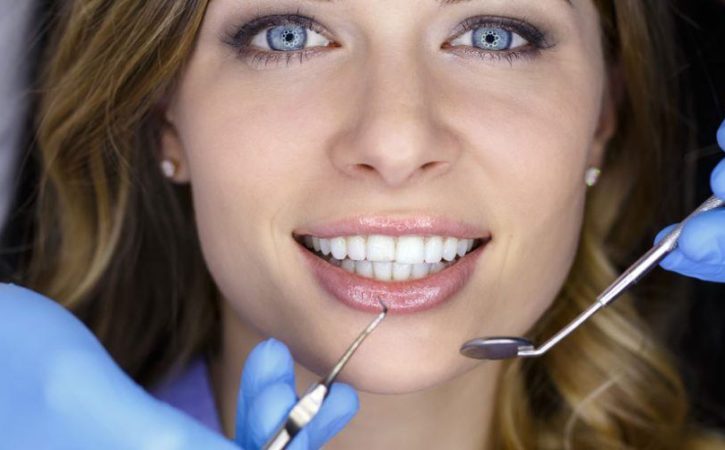
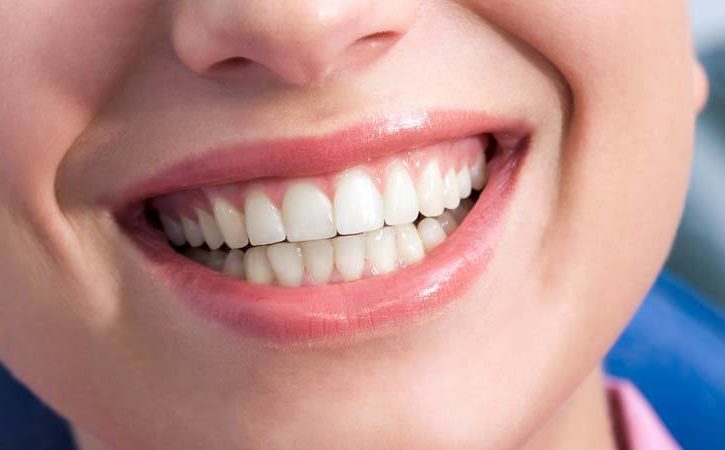
Do you have issues with your teeth such as cracks, gaps or discolourations? If so, a composite resin known as dental bonding compound could help. What are some of the main benefits of this material and why might your dentist recommend such an option?

This bonding material:

– Fills tooth cracks, chips, cavities, and other imperfections.

– Formulated to match the colour of your teeth.

– Represents a lifelong solution if cared for properly.

“Tooth bonding is an excellent choice for chips that may be plaguing your teeth.”

Learn more here:

https://yourdentalhealthresource.com/how-can-tooth-bonding-improve-my-smile/
 

How Long Will I Need to Heal After a Gum Graft?

how long will I need to heal after a gum graft

A gum graft is a dental procedure taking healthy gum tissue from the roof of the mouth to counter the effects of receding gums — and prevent loose teeth. A dentist will consult with you on the treatment options available.

– Healing from a gum graft is generally quick, between one and two weeks.

– Following a gum graft people may experience teeth sensitivity, especially with hot and cold foods.

– Following the procedure, the gums will feel firmer and tighter.

“By maintaining good oral hygiene, and visiting a dentist for routine checkups on a regular basis, a person can reduce their risk of developing gum disease and catching it early should it begin to develop.”

Read the full story here

https://www.medicalnewstoday.com/articles/322115.php


Dental Hygiene Tips For Brace Wearers

dental hygiene tips for brace wearers

Keeping teeth and gums healthy while wearing braces may seem time-consuming, but the whole process can be made easier by following these simple tips.

Key takeaways:

– Get the right tools, including a soft-bristled toothbrush, an interdental brush, and a floss threader.

– Waxed dental floss can make it easier to slide the thread between wires and brackets.

– Brush all surfaces gently and keep the toothbrush at a 45-degree angle.

Practice makes perfect, so after a while the process of brushing and flossing should become second nature, even when wearing braces.

Read the full story here: https://yourdentalhealthresource.com/how-should-i-brush-my-teeth-when-i-have-braces/


Causes of Loose Teeth

cause of loose teeth

A loose tooth is an obvious cause for concern but sometimes loose teeth will correct themselves. However, always consult a dentist if this happens.

The reasons why teeth become loose can include:

– Gum disease also called periodontitis can weaken gums and jaw bone.

– Increased estrogen and progesterone levels during pregnancy can affect bone and tissue in the mouth.

– The bone disease osteoporosis usually affects the wrists, hips and spine but can also damage the jawbone

Probably the most common reason for loose teeth is “impact from a blow to the face” which may occur during play, in an accident or while playing sports.

More details about loose teeth can be found at: https://www.medicalnewstoday.com/articles/322028.php


Zinc and Copper Levels in Baby Teeth Could be Autism Marker

zinc and copper levels in baby teeth could be autism marker

New research suggests analysis of zinc and copper levels in baby teeth could help predict the developmental disorder known as autism.

Key takeaways:

– As each new layer is formed on teeth they contain records of chemicals exposed to.

– Significant differences found in levels of zinc and copper in teeth when comparing children with autism and those without autism.

– Could lead to prenatal markers for an earlier diagnosis of autism from the records from children’s dentist.

“This study is the first to find a marker that can predict the risk for autism with 90 percent accuracy, the research team said, and may point to a possible new way of diagnosing autism.”

Read the full story here

https://consumer.healthday.com/cognitive-health-information-26/autism-news-51/baby-teeth-give-clues-to-autism-s-origins-detection-734271.html


Anaesthetic Injections at the Dentist

anesthetic injections at the dentist

For many common dental procedures the dentist will administer a local anaesthetic before surgery begins. This local anaesthetic will render the area around the surgery site (local area) numb and the patient will remain awake and free from pain throughout the operation.
The anaesthetic is administered in the following manner:

– The site is dried using cotton swabs or air
– A numbing gel is applied
– The local anaesthetic is slowly injected

After about five minutes the patient “should no longer feel pain” and the dentist proceeds to work on the teeth or gums. More detailed information on the use and effects of local anaesthetics can be found at https://www.medicalnewstoday.com/articles/321880.php.

Stopping Infant Gum Disease in its Tracks

stopping infant gum disease in its tracks

While visiting the dentist is always wise, there are several steps which a parent can take in order to safeguard their infant against gum disease. What are three straightforward suggestions to keep in mind?

– Be on the lookout for common symptoms such as redness, bleeding or swollen gums.

– Learn to know the differences between teething and gum issues.

– Clean the gums with a damp cloth after every feeding.

“If your baby has teeth, use a tiny toothbrush with a tiny amount of toothpaste to gently brush their tooth or teeth.”

See what other dentists have to say:

https://yourdentalhealthresource.com/can-infants-suffer-from-gum-disease/


What Are Symptoms of Sleep Apnea?

what are symptoms of sleep apnea

Do you suspect that you or a family member might be suffering from a condition known as sleep apnea? This is a condition characterized by loud snoring.

A dentist can also identify three potential indicators of sleep apnea:

– The enamel of your teeth can become eroded from a lack of saliva.

– You may also grind your teeth when sleeping.

– Gum tissues could likewise be inflamed.

“Sleep apnea is a debilitating sleep disorder in which a person actually stops breathing at numerous points throughout the night.”

Learn more here:

https://yourdentalhealthresource.com/how-does-a-dentist-diagnose-sleep-apnea/


What You Should Do if Your Child Chips, Loosens or Loses a Tooth

what you should do if your child chips

If your child suffers an injury to their teeth they need to see a dentist straight away.

Main points:

– Fast action is essential, insert a loose tooth back into the socket.

– A dentist will assess and repair the damage.

– A tooth or piece of tooth should be transported to the dentist in milk.

As childhood trauma to teeth can damage nerves and roots over time, it is important to let your dentist know of any incidents.

“When an adult tooth is knocked loose, a dentist will need to secure it quickly.”


Read the full article here:

https://health.clevelandclinic.org/what-to-do-if-your-child-chips-loosens-or-loses-a-tooth/

Things Our Mouths Tell Us About Our Health

things our mouths tells is about our health

Dental cavities, bleeding gums, and other symptoms may alert us of underlying threats to our wellness.

Key takeaways:

– Dry mouth, gum disease (gingivitis), and oral thrush sometimes occur with diabetes.

– Thrush comes from Candida infections, with white spots on the tongue, redness, difficulty swallowing and cracked skin.

– Gastroesophageal reflux disease (GERD) could lead to stomach acid eroding the enamel on the inside of the teeth.

According to a study in the American Heart Journal, people with advanced gum disease (periodontitis) are more likely to suffer cardiac problems.

Read more from a dentist here:

http://www.health.com/oral-health/oral-symptoms#91e274f6-0309-4f45-89fc-0efbd737ab40