
 dan
dan
How to Maintain White Teeth Between Professional Cleanings
A professional dental cleaning leaves teeth feeling smooth and looking bright, but the work doesn’t stop once you leave the surgery. Maintaining that “just-cleaned” feeling requires a consistent approach to oral hygiene at home. For patients in Swindon, following a few evidence-based habits can help prevent the buildup of plaque and surface stains between your six-monthly check-ups.
The Foundation: Precision Brushing and Flossing
While it sounds simple, the technique used during your daily routine is the most critical factor in oral health.
- Two Minutes, Twice a Day: Brushing for a full two minutes ensures that all surfaces of the teeth are reached.
- The Power of Electric: Consider using an electric toothbrush with a pressure sensor to avoid scrubbing too hard, which can wear down enamel.
- Interdental Cleaning: Brushing alone only cleans about 60% of the tooth’s surface. Using floss or interdental brushes once a day is essential to remove bacteria from between the teeth where a standard brush cannot reach.
Mindful Consumption
What is consumed significantly impacts the brightness of a smile. Certain foods and drinks are notorious for causing extrinsic staining on the enamel.
- Watch the Tannins: Beverages like coffee, tea, and red wine contain tannins that can discolour teeth over time.
- Rinse After Eating: If consuming acidic or highly pigmented foods, rinsing the mouth with water immediately afterwards can help neutralise acids and wash away staining agents.
- Stay Hydrated: Drinking water throughout the day helps stimulate saliva production, which is the mouth’s natural defence against plaque-causing bacteria.
Targeted Protection
Using the right products can provide an extra layer of defence for your enamel.
- Fluoride is Key: Ensure your toothpaste contains fluoride, which helps to remineralise enamel and make it more resistant to acid attacks.
- Avoid Abrasive Whitening Pastes: Some whitening toothpastes are highly abrasive and can wear down enamel if used too frequently. Consult with a dental professional before starting a new whitening regimen.
The Role of Regular Maintenance
Even with a perfect home routine, some plaque will inevitably harden into tartar, which can only be removed by a dental professional using specialised tools. Sticking to your scheduled hygiene appointments at the practice ensures that any buildup is managed before it leads to more serious issues like gum disease.
Conclusion
Maintaining a bright, healthy smile is a partnership between professional care and diligent home maintenance. By focusing on correct techniques and mindful habits, you can keep your teeth in excellent condition until your next visit.
Is it time for your professional cleaning? Contact our Swindon-based team today to book your next hygiene appointment.
Invisalign vs Six Month Smiles: Which Is Right for You in Swindon?
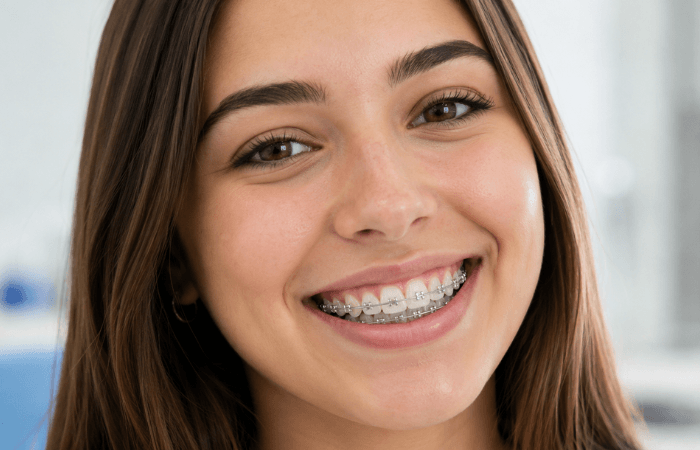
Both Invisalign and Six Month Smiles can straighten teeth discreetly, but they are designed to do quite different things. Invisalign is a full-arch aligner system capable of moving all of your teeth and correcting bite problems; Six Month Smiles is a short-term cosmetic system built specifically to tidy up the front teeth that show when you smile. Choosing between them depends less on which is “better” in the abstract, and far more on what your teeth actually need, how quickly you want results, and how you feel about wearing something fixed versus removable during treatment.
Unassigned Dental Practice: Clear Aligner Specialists in Swindon
Our practice offers both Invisalign and Six Month Smiles to patients across Swindon and the surrounding area. During your consultation, our clinicians will assess your teeth, bite, and smile goals thoroughly before recommending the option most likely to give you the outcome you are looking for, rather than defaulting to a single treatment for everyone.
What you get:
- A GDC-registered clinical team experienced in both clear aligner and short-term orthodontic systems
- A digital smile preview before treatment begins, so you can see your projected result in advance
- Flexible finance options to help spread the cost of treatment across manageable monthly payments
- Comprehensive aftercare and retainer provision to protect your result long-term
How Each Treatment Works: A Step-by-Step Breakdown
Understanding the mechanics of each system helps explain why they suit different patients. Here is how both treatments progress from consultation through to completion.
- Initial consultation and assessment. For both Invisalign and Six Month Smiles, the process begins with a clinical examination of your teeth, gums, and bite. Your dentist will take photographs, X-rays where necessary, and a digital or physical impression of your teeth. This is the most important step: the assessment determines whether you are suitable for each system at all, and which version of Invisalign (if applicable) matches your case complexity. Any underlying dental issues, such as cavities or gum concerns, are identified and addressed before treatment begins. Do not skip this step or try to self-diagnose online.
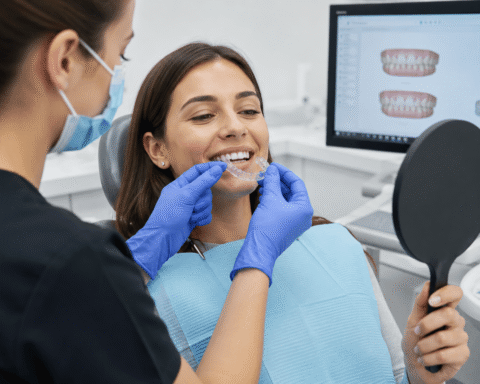
- Digital planning and your preview. With Invisalign, your doctor will quickly and precisely create a detailed 3D scan of your current smile and map out the custom treatment plan for your new one using an iTero scanner. This Clincheck software creates a 3D video of your mouth, which allows patients to watch their whole treatment plan play out before it even starts. Six Month Smiles uses a similar process, though the planning focus is narrower: treatment involves taking an impression of your teeth at the initial appointment, after which customised trays are prepared at the laboratory; these are designed for greater comfort, and your dentist will then position clear brackets for bonding, with ties and wires that match the colour of your teeth.
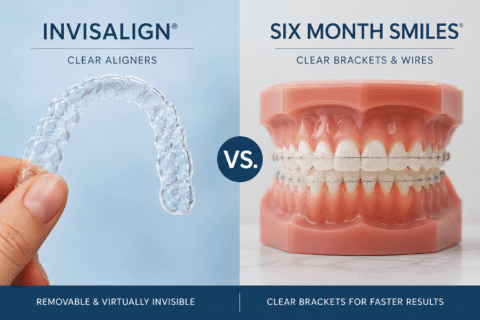
- Fitting day. For Invisalign, when you pick up your first set of clear aligners, your doctor will check them to make sure they fit correctly and are as comfortable as possible. For Six Month Smiles, the clear ceramic brackets and tooth-coloured wires are bonded directly onto the front teeth. The brackets are made from a clear ceramic material and the wires are tooth-coloured; the braces are not removable, and they can only be applied or removed by your dentist. Some patients can have Six Month Smiles brackets fitted on the same day as their initial consultation.
- The active treatment phase. Invisalign works by gradually shifting your teeth into their desired position over time; each set of custom-made aligners is worn for approximately two weeks before being replaced with the next set in the sequence, and this gradual process allows your teeth to move slowly and comfortably. Wearing your aligners for 20 to 22 hours per day and following your dentist’s guidance can significantly optimise the treatment duration. With Six Month Smiles, you will need to revisit your dentist once a month for readjustment. Six Month Smiles visits tend to be quicker than the comprehensive reviews required for Invisalign.
- Check-up appointments. Your Invisalign doctor will schedule a series of regular, face-to-face check-ups to give you each new batch of aligners and monitor the progress of your new smile. Typically you will attend every six to eight weeks. With Six Month Smiles, you will also need to visit your dentist three to seven times throughout treatment for adjustments.
- Completion and retention. When active treatment ends, a retainer is essential for both systems. This is covered in detail later in this article, but the short version is this: without a retainer, your teeth will move back. This applies equally to Invisalign and Six Month Smiles. Wearing retainers is essential to maintain your results and prevent teeth from shifting over time; your dentist will advise how often to wear them, usually at night on a long-term basis.
Treatment Times and What Influences Them
Timeline is one of the factors patients ask about most. The headlines are straightforward enough, but a few nuances are worth understanding before you make a decision based on speed alone.
- Six Month Smiles: Six Month Smiles focuses only on front teeth (the “social six”), uses clear brackets and tooth-coloured wires, and has an average treatment time of four to nine months. The name is memorable but can be misleading. Six months is an average, not a guarantee; some cases finish in two months and some take ten, and statistically your case has a 50 percent chance of taking longer than six months. The reason the system is fast is not because teeth move faster with this particular hardware; the reason it takes six months on average is simply that the cases are simple, and there is no magic technology moving your teeth faster.
- Invisalign: Invisalign treatment typically lasts between six and eighteen months, depending on how complex your case is; minor crowding or spacing may be corrected in as little as four to six months, while more advanced cases may take longer. Invisalign comes in several tiers. Invisalign i7 (sometimes called Express) is designed for very minor movements and often completes within three to six months. Invisalign Lite is designed for less complex cases with crooked teeth, typically requiring six to eight months of aligners. Full Invisalign provides a complete treatment package, usually completed within six to eighteen months, with unlimited aligners during the treatment period.
- Compliance matters more with Invisalign. Because Invisalign aligners are removable, the patient has more responsibility. Factors like the severity of misalignment, your age, adherence to wearing the aligners, and lifestyle habits can influence how quickly results appear; on average, wearing your aligners for 20 to 22 hours per day and following your dentist’s guidance can significantly optimise the treatment duration. Six Month Smiles is fixed, so there is no temptation to leave the brace out. Some patients find that reassuring; others find fixed brackets inconvenient for eating and cleaning.
- Oral hygiene during treatment. Invisalign aligners are removable, so you can take them out when eating, drinking, or brushing your teeth, allowing you to continue your normal oral hygiene routine without difficulty; Six Month Smiles uses fixed brackets and wires, which makes cleaning more challenging, and you must be careful to avoid food getting stuck around the brackets and wires, which can lead to oral hygiene issues.
Indicative Costs in the UK: What to Budget For
Pricing for both treatments varies across the UK and depends heavily on case complexity, the provider’s experience level, and what is included in the package (such as retainers, whitening, or refinements). No fixed prices were available for this practice at the time of writing, so the figures below reflect the typical indicative range seen at UK dental practices in 2024 and 2025.
- Invisalign i7 (minor movements, single arch): From around £1,800 to £2,100, ideal for minor corrections involving either the upper or lower teeth, typically completed within three to six months.
- Invisalign Lite (mild to moderate cases): In the UK, Invisalign Lite ranges from £2,500 to £3,500 on average; for mild to moderate alignment issues it can give effective treatment within a shorter period, around six to twelve months.
- Invisalign Full (moderate to complex cases): Full Invisalign costs range from £3,500 to £4,800 depending on treatment duration and the complexity of the case; it is suitable for moderate alignment problems and provides a full treatment package usually completed within six to eighteen months.
- Invisalign for complex cases: For severe misalignment or complicated orthodontic issues, Invisalign costs in the UK can range from £4,250 to £5,500.
- Six Month Smiles: A Six Month Smiles treatment starts at around £2,500 and can go up to approximately £3,800, with that estimated price covering everything from the start to the end of dental treatment.
- Finance options: Some dental practices offer 0% finance options for treatment, allowing patients to achieve their ideal smile without paying the full amount upfront, spreading the cost conveniently over time through flexible payment plans with monthly instalments tailored to your budget. Always ask your practice what is included in the quoted fee, as retainers, whitening, and refinement aligners are sometimes (but not always) bundled in.
As a broad observation, the more complex the misaligned teeth, the longer treatment will take, which will increase the overall price. Location also plays a role: London and the South East may have higher average prices, while practices in other regions can be more cost-effective. As a Swindon practice, we sit comfortably outside the London premium zone, which can make a meaningful difference to the final figure.
Deeper Comparison: The Questions Most Patients Don’t Think to Ask
Is “Cosmetic Only” a Problem?
This is probably the single most important distinction between the two systems, and it is the one that competitor articles tend to gloss over. Six Month Smiles is a cosmetic treatment. It works on the “social six,” the canine-to-canine teeth that are visible when you smile. Invisalign addresses bite and full arch; Six Month Smiles is cosmetic only, for front-tooth alignment without changing bite.
Why does this matter? If your back teeth have an issue with how they meet, or if your jaw joints are under strain from a misaligned bite, Six Month Smiles will not address that. It may even, in some cases, create a slightly different bite as a side effect of moving only the front teeth. Time and again patients become confused about the pros and cons, and whether correcting only the front teeth is really a sensible alternative to correcting the bite and the way the teeth meet. This is not to say Six Month Smiles is unsuitable for everyone: for patients with a healthy bite and only mild cosmetic crowding or spacing at the front, it can be a clinically reasonable and faster choice. But the decision needs to be made with full information from a GDC-registered professional, not by choosing a system based on cost or speed alone.
Which Is Actually More Discreet?
Both options are far less visible than traditional metal braces, but they are not equally invisible. One of the main benefits of Six Month Smiles is that the clear brackets and tooth-coloured wires are much less noticeable than traditional metal braces; however, they are still visible, especially up close; Invisalign aligners, in comparison, are virtually invisible, and the clear plastic aligners are difficult to see, making them a popular choice for people who are concerned about the appearance of braces during treatment.
If you work in a client-facing role, present on camera regularly, or simply do not want anyone to know you are having orthodontic treatment, Invisalign has a clear advantage here. That said, Six Month Smiles brackets at conversational distance are genuinely subtle, and many patients find them perfectly acceptable in day-to-day life.
What About Comfort?
Six Month Smiles brackets are made of comfortable materials but can rub against the cheek and cause irritation at the beginning of treatment; Invisalign aligners are very comfortable and do not cause that type of irritation. You may feel mild pressure or tightness when switching to a new aligner, but it is usually very manageable and settles within a day or two. Both systems involve some initial adjustment period. Neither should cause significant pain when fitted by a competent provider, though you should always discuss any discomfort at your check-up appointments rather than waiting it out.
Long-Term Stability: The Retainer Question
Whatever treatment you choose, the result will only last if you wear a retainer afterwards. This applies to both Invisalign and Six Month Smiles, and it is worth being clear-eyed about before you start. All patients are at risk of relapse if they do not wear either a night-time retainer or a bonded retainer; teeth will shift back toward their original positions over time if not held in place. Most patients need to wear retainers long-term after Invisalign to maintain results; while full-time wear is temporary, nighttime retention is typically lifelong to prevent gradual shifting, and skipping retainers, even occasionally, increases the risk of relapse over time.
There is an additional consideration specific to Six Month Smiles that is worth raising. Because the system focuses on tipping the front teeth rather than full bodily movement of the whole tooth and root, tipping, which is moving just the visible part of the teeth backward or forward, can be done quickly to make teeth look straighter but has a higher rate of relapse (moving back). This is not unique to Six Month Smiles, but it is a reason to take retainer wear especially seriously if you choose the system. Your dentist should discuss this with you at the treatment planning stage.
Who Is Each Treatment Right For?
Rather than recommending one system wholesale, here is how to think through which suits your situation. A proper consultation is the only way to know for certain.
Invisalign tends to suit patients who have moderate crowding or spacing across several teeth, a bite that needs addressing (overbite, underbite, crossbite, or significant overjet), or a strong preference for something they can remove for eating, sports, or special occasions. Invisalign is a versatile orthodontic treatment that can address a wide range of dental conditions, including crowded teeth, gaps between teeth, overbite, underbite, and crossbite. Patients who are motivated enough to wear aligners consistently for 20 to 22 hours daily tend to get very good results.
Six Month Smiles is a reasonable consideration for patients whose bite is already healthy and functional, who have mild to moderate cosmetic crowding or spacing limited to the front teeth, and who want treatment completed quickly. If you want a fast confidence boost before a big life event, Six Month Smiles may fit well if your bite is otherwise healthy. It can also suit patients who are concerned about keeping track of removable aligners, since the fixed system does not require the same daily discipline.
Some patients are not ideal candidates for Invisalign. The average person interested in orthodontic care will likely be a candidate for Invisalign, but if there is a very severe bite alignment issue or abnormally shaped teeth, Invisalign may be unable to treat the problem and braces are likely a better option. Similarly, Six Month Smiles is not suitable for patients with significant malocclusion, jaw issues, or posterior crossbites.
Why Unassigned Is the Right Choice for Invisalign in Swindon
Our team offers both Invisalign and Six Month Smiles and has no commercial incentive to steer you towards one over the other. Your consultation will focus on what your clinical situation actually requires, with a detailed examination, digital planning where appropriate, and a clear explanation of what each option can and cannot achieve for you specifically. We are accepting new patients and offer flexible payment options to help make treatment accessible.
Frequently Asked Questions
Can Invisalign fix my bite as well as straighten my teeth?
Invisalign addresses a broad range of orthodontic problems, including crowding, spacing, crossbite, overbite, and underbite. The extent to which bite issues can be corrected depends on the severity of the problem and the Invisalign tier used. Mild to moderate bite discrepancies are commonly treated with Invisalign Full or Comprehensive packages. Very severe bite problems or those involving significant jaw discrepancy may require referral to a specialist orthodontist. The only way to know whether your bite is within the scope of Invisalign treatment is to have a proper clinical assessment from a GDC-registered professional.
Will Six Month Smiles affect my bite?
Six Month Smiles braces do not address major bite or malocclusion problems; they are effective in straightening front teeth to achieve a better-looking smile. For most patients whose bite is already stable and functional, this is not a problem. However, for patients who have an existing bite concern, moving only the front teeth without addressing the back teeth can occasionally create a discrepancy. This is why a thorough examination before treatment begins is so important. Your dentist should assess your bite and jaw joints before recommending Six Month Smiles, not simply offer it because it is faster or cheaper.
How visible are Six Month Smiles clear braces in day-to-day life?
Six Month Smiles utilises clear braces along with tooth-coloured wire; unlike traditional orthodontic treatment, they are nearly invisible in the mouth. In practice, they are visible up close, particularly under bright lighting, but they blend in well at normal conversational distance. Photographs and video calls will generally show them more clearly than face-to-face interaction. If you cannot have any visible hardware on your teeth at all, for professional, personal, or social reasons, then Invisalign clear aligners are the more discreet choice.
Do I have to wear a retainer forever after Invisalign or Six Month Smiles?
Retainers are not optional, and both systems require them. Neglecting to follow your prescribed retainer schedule can result in orthodontic relapse; even slight tooth movement can lead to complications such as crowding or misalignment, which may affect your bite. The most common protocol is full-time wear for the first few weeks after treatment concludes, followed by night-time-only wear long-term. The jaw bone stabilises in twelve months, but periodontal ligament memory can last a lifetime. Think of retainer wear as the maintenance phase of treatment, not a temporary inconvenience: it is what protects the time and money you have invested.
Is Invisalign available on the NHS?
Invisalign is a private treatment that is not covered by NHS services. The same applies to Six Month Smiles. Both are elective cosmetic and orthodontic treatments provided privately. If you have a child with a significant orthodontic need, NHS orthodontic treatment may be available subject to an IOTN (Index of Orthodontic Treatment Need) assessment, but this would involve conventional fixed braces rather than clear aligner systems. Adults seeking any form of clear orthodontics will need to do so through a private dental practice.
What happens if I don’t wear my Invisalign aligners for the full 20 to 22 hours a day?
Consistency is the single biggest variable within a patient’s control during Invisalign treatment. The actual timeline can vary based on how your teeth respond to each stage of movement; factors like the severity of misalignment, your age, adherence to wearing the aligners, and even lifestyle habits can influence how quickly results appear. Removing aligners for too long each day means teeth are not receiving the planned pressure, which can slow movement, cause individual aligners to no longer track properly, or require additional refinement aligners to get back on course. This can add time and potentially cost to your treatment. If you are honest with yourself and know you would struggle to wear aligners consistently, a fixed system like Six Month Smiles may serve you better in practice, even if Invisalign is clinically suitable.
Can I have teeth whitening at the same time as orthodontic treatment?
Whitening is generally recommended after orthodontic treatment rather than during it, for a couple of reasons. With Invisalign, the aligners themselves can act as a carrier tray for whitening gel, making post-treatment whitening very convenient. With Six Month Smiles, the brackets cover part of each tooth surface, so whitening during treatment could result in uneven colour once the brackets are removed, since the areas under the brackets would not have been treated. Many Swindon practices bundle whitening with orthodontic treatment packages, so it is worth asking specifically what is included in your quoted fee.
What is Interproximal Reduction (IPR) and will I need it?
IPR is a procedure where a very small amount of enamel is removed from between certain teeth to create space for movement. It is sometimes used as part of an Invisalign treatment plan, particularly in cases of moderate crowding where there is not enough natural space for teeth to move into correct alignment without some enamel slimming. Your dentist may need to use additional techniques like attachments, elastics, or interproximal reduction, which is gentle reshaping of tooth edges to create space. IPR is a routine, established procedure when used appropriately, but it should always be explained to you during treatment planning so you can give informed consent before it is carried out.
What are Invisalign attachments and will I need them?
Attachments (sometimes called “buttons” or “smart bumps”) are small tooth-coloured composite dots bonded temporarily to the surface of certain teeth during Invisalign treatment. They act as handles, giving the aligner tray something to grip against for more complex tooth movements such as rotations or vertical shifts. If you opt for aligner treatment, you may need to get buttons or attachments placed on your teeth; these are temporary, discreet, tooth-coloured fixtures that help secure the aligners better on your teeth for more efficient straightening. Not everyone needs them. Your dentist will only prescribe attachments if the ClinCheck treatment plan requires them for a specific tooth movement. They are removed at the end of treatment and, because they match your tooth colour closely, most patients find them barely noticeable during treatment.
Note: This article is intended as general guidance only and does not constitute professional dental or medical advice. Every patient’s teeth, bite, and clinical situation is different, and outcomes will vary between individuals. Any pricing figures mentioned in this article are indicative ranges based on UK market research at the time of writing and may not reflect the current fees of any particular practice; they are subject to change and may differ from the fee you are quoted following a clinical assessment. You should always consult a qualified, GDC-registered dental professional before deciding on any orthodontic treatment. To find out which option is right for you, book a consultation with our team at Unassigned Dental Practice in Swindon, where we will assess your specific needs and give you honest, personalised advice.
How Much Do Dental Implants Cost in Swindon in 2026?
Dental implants in Swindon cost roughly £2,000 to £3,000 for a single tooth at most private clinics in 2026, placing the town comfortably within the national mid-range. Full arch restorations, multiple missing teeth, and any required bone grafting will push costs higher, and the final number depends on clinical factors that can only be assessed at a consultation.
This guide breaks down every part of that price, tells you what to watch for in a quote, and explains how Swindon compares to the rest of the UK so you can walk into any consultation feeling genuinely prepared.
Looking for dental implants in Swindon? Here is what a quality local implant clinic should offer.
- A GDC-registered implant dentist with postgraduate implantology qualifications (look for the M Imp Dent RCSEd or equivalent)
- In-house CBCT or 3D cone beam imaging for precise pre-surgical planning
- Premium implant systems such as Straumann, Nobel Biocare, or equivalent with documented clinical track records
- A written, fully itemised treatment plan provided before any work starts
- Sedation options for nervous patients
- Flexible finance, including 0% interest-free plans, typically available from 12 to 24 months
- Clear aftercare protocols and a dedicated point of contact throughout treatment
Ready to find out your exact costs? Book a no-obligation consultation with a Swindon implant specialist to receive a personalised treatment plan and written fee breakdown before you commit to anything.
What Exactly Is a Dental Implant? A Quick Primer
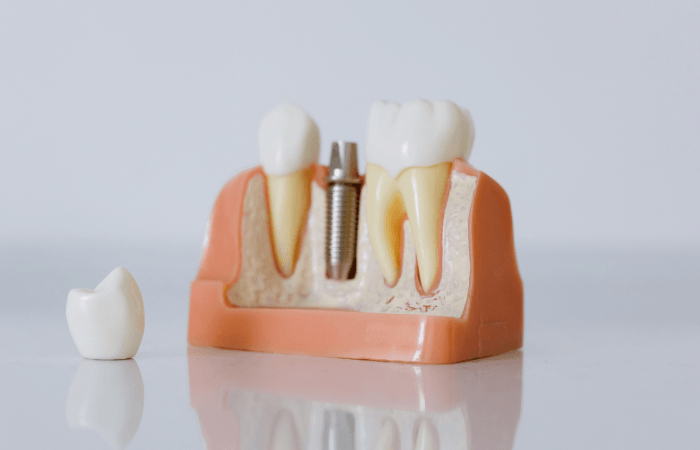
It is worth being clear on this, because a lot of price confusion comes from misunderstanding what the treatment actually involves. A dental implant is a titanium screw placed into your jawbone that acts as an artificial tooth root. Once the implant integrates with your bone through a process called osseointegration, it provides a stable foundation for a replacement tooth.
A dental implant is not one thing but three: the titanium screw that goes in your jaw (typically £400 to £800 of the overall cost), the abutment that connects everything (£200 to £400), and the crown that looks like a tooth (£600 to £1,200). Some clinics bundle everything into one all-inclusive fee. Others quote only for the implant and surgery, then present a separate charge for the crown later. Always ask for a line-by-line breakdown before agreeing to anything.
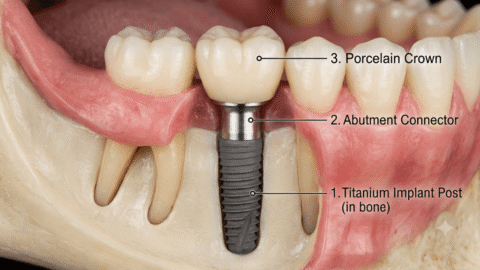
Knowing which of these three components is included in your quote saves you from an unwelcome surprise further down the line.
Dental Implant Costs in Swindon in 2026: The Real Numbers
Single Tooth Implants
The average price for a single dental implant in Swindon is around £2,450. That sits neatly within the national band. For most patients seeking a single tooth implant in 2026, the picture looks like this: budget options at £1,500 to £2,000 (often outside London, using basic materials), mid-range at £2,000 to £3,000 (quality materials and experienced clinicians), and premium options at £2,500 to £5,500 (advanced technology, specialist care, and premium materials).
Swindon, as a regional town rather than a city centre, generally falls into that mid-range bracket. You are unlikely to see the eye-watering London fees, but the very cheapest national advertised prices may reflect a more limited service or less comprehensive aftercare. Implant costs vary with case complexity, restoration type, clinician expertise, and location.
Multiple Teeth and Implant Bridges
Replacing several missing teeth does not always mean one implant per tooth, and that matters for budgeting. You don’t always need one implant per missing tooth. Two or three adjacent teeth can often be replaced with two implants supporting a bridge, costing £4,500 to £8,000 in total. That is considerably better value than three separate implants, and the clinical outcomes are well-established.
Four to six teeth might require three to four implants with a fixed bridge, costing £8,000 to £15,000. These figures represent what you might expect from a reputable practice with quality materials; very low quotes for multi-implant work should prompt you to ask exactly what is and is not included.
Full Arch (All-on-4 and All-on-6)
If you are considering replacing an entire arch of teeth, the All-on-4 and All-on-6 systems are the most common routes. Full arch All-on-4 treatment costs about £10,000 to £18,000 per arch. If you wish to replace both the upper and lower jaw, the cost falls in the range of £20,000 to £36,000.
These are significant sums, but they represent a full restoration rather than a series of individual implants. Many patients who have struggled with failing teeth or ill-fitting dentures for years find this life-changing. Finance options almost always exist for treatment at this level, and staged payment across the treatment journey is common.
What Is Included in a Swindon Implant Quote?
This is probably the most important question to ask. A “cheap” implant quote might exclude the crown, abutment, or diagnostic imaging. Always compare like-for-like and understand exactly what is included. Here is a typical breakdown of what a complete, transparent quote should cover.
- Initial consultation and assessment. This may be charged separately at between £75 and £200, depending on the practice, or offered free as a no-obligation first appointment. A paid consultation should include a clinical examination and any required X-rays.
- CBCT or 3D cone beam scan. Radiographs range from £45 to £120, depending on whether 2D or 3D imaging is required. 3D imaging is the standard of care for implant planning and should not be omitted.
- Implant fixture placement. The surgical appointment at which the titanium post is placed into the jawbone, carried out under local anaesthetic.
- Healing abutment and final abutment. The connector components that emerge from the gum and support the crown.
- Custom crown or restoration. The porcelain or zirconia tooth that is visible in your mouth. This is often the most significant single cost component.
- Follow-up and aftercare appointments. Some practices include a defined number of check-ups within the overall fee; others charge separately.
The dental implant cost usually includes the consultation, CT scan, implant fixture, abutment, and crown; always confirm with your provider exactly what is included in your treatment plan. If a quote does not clearly itemise these components, ask for one in writing before proceeding.
The Hidden Extras: Additional Procedures That Affect the Price
This is where costs can escalate, and where patients are sometimes caught off guard. The good news is that not everyone needs additional procedures. The bad news is that you will not know until a proper assessment has been done.
- Bone grafting. Bone graft involves adding bone material to areas where the bone has deteriorated. In most UK clinics, bone grafting for implant preparation costs between £400 and £1,200 for localised treatment. More extensive reconstruction can cost considerably more.
- Sinus lift. Needed when the upper back jaw has insufficient bone height. Sinus lifts cost £800 to £2,500, and about 20% of upper jaw implant patients need one.
- Tooth extraction. If the tooth being replaced has not already been removed, this is an additional charge. Simple extractions typically run £150 to £300; surgical extractions are higher.
- Gum treatment. Active gum disease (periodontitis) must be treated and stabilised before implant placement. This may involve a course of hygiene treatment that adds to the overall timeline and cost.
- Temporary restoration. A temporary crown or denture during the healing phase (osseointegration) may be charged separately.
Around 30 to 40 per cent of implant patients require at least one additional procedure. That figure is worth bearing in mind when budgeting. A practice that presents a genuinely comprehensive treatment plan at consultation, including any likely additional procedures, is demonstrating the transparency you should expect.
What Affects the Cost? Key Factors Explained
Two patients sitting next to each other in a Swindon waiting room could receive very different quotes for what sounds like the same treatment. Here is why.
- The implant system used. Some clinics use only Straumann implants, a Swiss brand backed by decades of research to offer long-lasting and predictable results. Nobel Biocare and Dentsply Sirona are equally respected systems. These premium systems carry a higher material cost than lesser-known alternatives.
- The clinician’s qualifications and experience. To find a qualified implant dentist, look for General Dental Council (GDC) registration, postgraduate implant qualifications such as M Imp Dent RCSEd, and a verifiable portfolio of successful cases. A dentist who has placed hundreds of implants and lectures at university level will typically charge more than someone newer to the discipline. For a procedure of this complexity, experience matters.
- Your bone volume and oral health. Straightforward cases with good bone and healthy gums cost less. Complex cases requiring grafting, sinus lifts, or prior periodontal treatment cost more.
- The type of restoration. A single porcelain crown is one price. A full zirconia bridge is another. Material choice affects both aesthetics and cost.
- Location within Swindon. These figures are averages across the UK. Costs can be higher in major cities like London and lower in smaller towns. Swindon’s relative affordability compared to Bristol or London is a genuine advantage for local patients.
- The technology available at the practice. Advanced planning using 3D scans, CBCT imaging, and digital planning is used to ensure safety and precision. Practices that have invested in this technology tend to charge accordingly, but the planning quality it allows directly supports better outcomes.
NHS Versus Private: Can You Get Implants on the NHS in Swindon?
Bluntly: almost certainly not, unless you meet very specific criteria. You may qualify for NHS-funded implants only if you have congenital conditions such as ectodermal dysplasia or hypodontia, have undergone cancer treatment involving head and neck radiotherapy, have experienced severe facial trauma where conventional dentures cannot restore adequate function, or are unable to tolerate dentures due to severe anatomical issues or neurological disorders.
The NHS funds dental implants only in specific clinical situations where there is a clear medical need rather than for cosmetic reasons. Common cases include tooth loss due to injury, disease, or congenital issues. NHS hospitals can only provide a limited number of NHS-funded implant treatments, and waiting lists can be very long, often 12 to 24 months or more.
If you are eligible, you would pay the NHS Band 3 charge of £326.70 in England at 2026 rates. But this covers basic provision only, not the comprehensive treatment and premium materials you would receive privately. For the overwhelming majority of people who have lost teeth through decay, gum disease, or normal wear and tear, private treatment is the only realistic route.
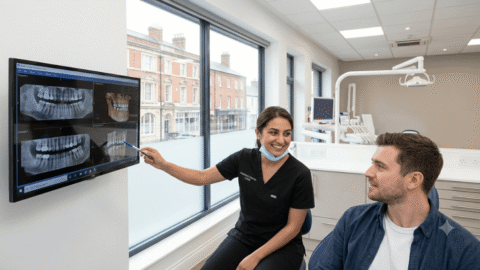
Seeing your scan and treatment plan on screen at consultation means no surprises about costs or clinical complexity later.
Implants Versus Bridges Versus Dentures: Which Makes Financial Sense?
This is a comparison worth taking seriously, because the upfront cost difference between these options is genuinely large but the long-term picture is more nuanced than it first appears.
The Bridge Option
A dental bridge is a fixed false tooth held in place by the natural teeth or implants on either side of a gap. When you have a bridge fitted, your dentist may need to cut your natural teeth on either side. Dental implants can take as much pressure as a natural tooth because they are embedded into your jaw, while dental bridges spread any pressure to the adjacent teeth, which have usually been cut or filed down to support the crowns.
Bridges are less expensive upfront, typically £1,200 to £2,500 privately for a standard three-unit bridge. But a bridge costing £1,500 may need replacement every ten years. Over 20 years, you could spend £3,000 to £4,500 on replacements. An implant costing £3,400 that lasts 25 years or more eliminates these repeat expenses. The longer view matters here.
The Denture Option
Dentures are the lowest upfront cost. Removable dentures generally have a lower initial cost and can be fabricated relatively quickly. However, implants are fixed in the jawbone, while dentures rest on the gum surface and may move during eating or speaking. Maintenance costs accumulate as dentures may require periodic relining, adjustments, or replacement.
Partial dentures may last five to seven years, though the metal clasps can fail sooner. Dental implants, when properly maintained, can last 20 to 30 years or even a lifetime. A denture that needs replacing three times over 20 years may ultimately cost more than implants that last a lifetime with just one or two crown replacements.
The Bone Loss Argument
There is a clinical dimension to this comparison that goes beyond aesthetics. A dental bridge does not have a screw placed into the jaw to fill the socket of the missing tooth, so a bridge does not prevent bone loss over time. An implant functions like a real tooth with a root and your jaw will remain strong as you age, preventing bone loss which can impact your face shape. This matters more the younger you are at the point of tooth loss.
Common Myths About Dental Implants (And What the Evidence Actually Says)
Myth: Implants Are Painful
This is the one that puts most people off. Implant surgery is performed under local anaesthetic, so you should not feel pain during the procedure. Post-operative discomfort is common for a few days and is typically managed with over-the-counter painkillers such as ibuprofen. Most patients report the experience as less painful than expected. Sedation is available at many practices for patients who are particularly anxious.
Myth: Implants Do Not Last
Research published in Clinical Implant Dentistry and Related Research in 2025 found that “single-tooth implants show high survival rate with good long-term prognosis” and that “stable bone levels suggest promising prognosis even after nearly 40 years.” The titanium implant itself can last 20 years or more, or even a lifetime. The crown on top may need replacement after 10 to 15 years, but the implant itself has an exceptional track record.
Myth: Anyone Can Have an Implant
Not quite. While dental implants are a safe and effective solution for many people, they may not be right for everyone. Factors such as the quality of the bone tissue, oral health, and overall health can impact the success of the procedure. Uncontrolled diabetes, heavy smoking, active gum disease, and insufficient bone volume are all factors that need addressing before treatment can proceed. This is precisely why a thorough consultation matters.
Myth: Going Abroad Is Just as Good and Half the Price
When a failed implant placed abroad needs corrective treatment in the UK, dentists charge £3,000 or more to fix it. They need to remove the failed implant, graft bone, wait six months, then place a new implant. You end up saving negative money. Overseas treatment is not inherently bad, but the logistics of follow-up care, managing complications, and accessing redress under UK consumer law are genuine considerations that the upfront price difference does not reflect.
Spreading the Cost: Finance Options for Swindon Patients
Several financing options can make implant treatment more accessible: zero per cent interest-free finance over 12 to 24 months is widely available at private dental practices; extended finance over up to 60 months is available at larger chains and specialist centres, though interest may apply; dental payment plans cover routine check-ups with discounts on treatments; and dental insurance most policies provide minimal implant coverage, typically £400 to £500 maximum per year.
Some practices also offer staged payment, where you pay for each phase of treatment separately rather than the full amount upfront. At practices that structure payments this way, patients typically pay separately for the consultation, surgical placement, and restoration, meaning you can spread payments across your treatment journey without needing to pay the full fee upfront.
Finance is subject to credit checks and eligibility. Always read the full terms, and compare the total repayable amount rather than just the monthly instalment figure.
How to Choose an Implant Dentist in Swindon
Not every dentist who places implants has the same level of training. Here is what to check before booking.
- GDC registration. All dental implant clinics should have GDC-registered dentists and comply with legal and professional standards. You can verify any dentist’s registration number at the GDC website for free.
- Postgraduate implant qualification. A general dental degree alone does not qualify a dentist to place implants. Look for a master’s degree or postgraduate diploma in implantology from a recognised institution.
- Volume of experience. Ask how many implants they have placed and what their success rate is, which should be around 95 per cent. A dentist who regularly lectures or mentors others in implant placement is a strong indicator of clinical credibility.
- Before and after photos. Any experienced implant dentist should be able to show you their own work, not stock images.
- Written treatment plan. The GDC expects dentists to provide a written treatment plan that includes costs, risks, and alternatives before treatment begins. If a practice resists providing this, walk away.
Why Choose Our Practice for Dental Implants in Swindon
Choosing where to have implant treatment placed is a significant decision, and getting it right the first time matters far more than finding the lowest price. Our practice is built around transparent pricing, experienced clinical care, and a patient journey designed to put you at ease from the first conversation to the final fitting.
We provide a fully itemised, written treatment plan at your initial consultation so there are no surprises at any stage. Our team uses premium implant systems with long-term clinical data behind them, and we have in-house imaging technology to plan your case with precision before any surgery takes place. Finance options are available to help you spread the cost in a way that works for your budget.
Whether you need a single tooth replaced or a more complex multi-implant case, we would love to help you understand what treatment is right for you, with no obligation whatsoever. Book your consultation today and take the first step towards a smile that feels and functions like your own.
Frequently Asked Questions
How much does a single dental implant cost in Swindon in 2026?
The average price for a single dental implant in Swindon is approximately £2,450. This is a guide figure and your actual cost will depend on your clinical situation, the implant system used, and whether any preparatory procedures are required. Single tooth implants in the UK range from £1,500 to £3,500 depending on the practice and complexity. A comprehensive written quote at your consultation is the only way to get an accurate, personalised figure for your own case.
Does the price include the crown, or is that extra?
This varies between practices, and it is one of the most common sources of confusion. Some clinics advertise a low headline figure that covers only the implant fixture and surgical placement, with the abutment and crown charged separately. Others quote an all-inclusive fee. The dental implant cost should include the consultation, CT scan, implant fixture, abutment, and crown; always confirm with your provider exactly what is included in your treatment plan. Ask directly, and get it confirmed in writing before proceeding.
Will I need a bone graft, and how much does it add to the cost?
Around 30 to 40 per cent of implant patients require at least one additional procedure. Bone grafting is the most common of these. In most UK clinics, bone grafting for implant preparation costs between £400 and £1,200 for localised treatment. If you need a sinus lift for upper jaw implants, the cost typically runs between £800 and £2,500, and approximately 20 per cent of upper jaw implant patients need one. Your need for these procedures will only become clear after a consultation that includes a 3D CBCT scan, which is why that initial assessment is so important.
Can I get dental implants on the NHS in Swindon?
In practice, NHS dental implants are not available to the vast majority of patients. NHS dental implant treatment is not routinely available for cosmetic purposes or simple tooth replacement without significant medical justification. The NHS will consider funding implants only in cases involving congenital conditions, cancer treatment affecting the jaw, or severe trauma where dentures are clinically impossible to use. Availability and coverage vary by practice, and waiting times can be lengthy. For most Swindon residents, private treatment is the practical route.
How long does the full implant process take in Swindon?
The timeline from consultation to final crown varies considerably depending on your case. A straightforward single implant in a patient with good bone takes roughly three to six months in total: this includes the initial consultation, implant placement, the osseointegration healing period, and the fitting of the permanent crown. Healing and osseointegration takes three to six months. If bone grafting is needed, the timeline extends because the graft needs four to six months to heal and mature before an implant can be placed in it. Your clinician will give you a personalised timeline at your consultation once the full clinical picture is clear.
Are there finance options for dental implants in Swindon?
Yes, and they are widely available. Most reputable Swindon implant practices offer interest-free finance over 12 to 24 months as standard. Extended finance over up to 60 months is available at some practices, though interest may apply at those longer terms. Finance is subject to credit checks and eligibility criteria. It is worth comparing both the monthly payment and the total amount repayable over the term, particularly if you are considering an extended plan. Some practices also allow staged payment at each treatment phase, which means you are never asked to pay the total fee in one lump sum.
What happens if a dental implant fails?
With approximately 130,000 implants placed annually in the UK and a success rate of 95 to 98 per cent, implants are the gold standard for replacing missing teeth. However, implant failure does occasionally occur. Risk factors include smoking, poorly controlled diabetes, gum disease, and insufficient bone. If an implant fails, the usual course is removal of the fixture, a healing period, potential bone grafting, and then re-implantation. This is why choosing a qualified clinician and following aftercare instructions carefully matters so much. As with any surgical procedure, there are some risks including infection, nerve damage, or implant failure, though these are relatively rare. Ask your clinician what their policy and procedure is in the unlikely event of complications before you begin treatment.
How do dental implants compare to a dental bridge for a single missing tooth?
A dental bridge is cheaper upfront and does not require surgery. However, the teeth on both sides of the gap must be filed down and crowned to support the bridge, which permanently alters two otherwise healthy teeth. While implants can last as long as natural teeth if you look after them well, a dental bridge can weaken over time due to the pressure on its supporting teeth and the fact that those supporting teeth have been filed away. For younger patients with healthy adjacent teeth, many clinicians will recommend an implant for the single-tooth case specifically because it avoids compromising those neighbouring teeth.
Invisalign vs. Braces: Which is Right for Your Lifestyle?
For many adults and teenagers in Swindon, the desire for a straighter smile is often balanced against the practicalities of daily life. Choosing between traditional fixed braces and modern clear aligners like Invisalign is a significant decision. Both methods are effective at correcting dental alignment, but they offer very different experiences in terms of comfort, aesthetics, and maintenance.
The Clear Advantage of Invisalign
Invisalign has become a leading choice for those seeking a more discreet orthodontic journey. Rather than using metal brackets and wires, this system uses a series of custom-made, clear plastic aligners.
- Near-Invisibility: The primary appeal of Invisalign is its transparency, allowing patients to undergo treatment without the “metal mouth” appearance often associated with traditional braces.
- Removability: Unlike fixed braces, Invisalign aligners can be removed for eating, drinking, and special occasions. This means there are no dietary restrictions—you can continue to enjoy crunchy or sticky foods.
- Simplified Hygiene: Because the aligners are removable, brushing and flossing remain straightforward, reducing the risk of plaque buildup during treatment.
When Traditional Braces May Be Preferred
While Invisalign offers high levels of flexibility, traditional fixed braces remain a robust and reliable option for specific clinical needs.
- Complex Corrections: For severe overcrowding or significant bite misalignments, fixed braces may provide the precise control needed to move teeth into the correct position more efficiently.
- No Compliance Required: Because fixed braces are permanently attached to the teeth, there is no risk of forgetting to wear them. This can be an advantage for patients who might struggle to meet the 22-hour daily wear time required for Invisalign.
Impact on Your Daily Routine in Swindon
When deciding between these two options, it is helpful to consider your lifestyle. If your role involves frequent public speaking, client-facing meetings, or active social engagements, the subtle nature of Invisalign may be a significant benefit. Conversely, if you prefer a “set and forget” approach where you do not have to manage removable trays, traditional braces might be the more suitable path.
Making the Choice
The best way to determine which treatment aligns with your goals is through a professional consultation. A thorough assessment of your dental structure and alignment needs will reveal which method will deliver the most effective and timely results for your unique smile.
Conclusion
Both Invisalign and traditional braces are capable of transforming your smile and improving your oral health. By weighing the convenience of clear aligners against the focused strength of fixed braces, you can choose a path that fits seamlessly into your life.
Ready to start your journey to a straighter smile? Contact Brunel Dental Practice in Swindon to book an Invisalign consultation today.
5 Signs It’s Time for a Routine Dental Check-up
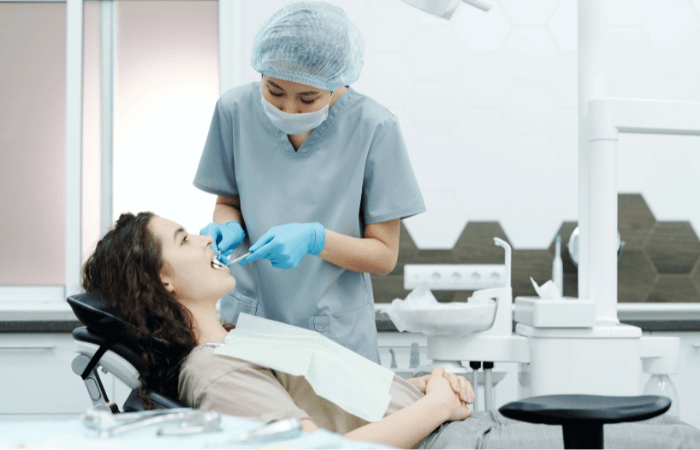
Maintaining a healthy smile involves more than just daily brushing and flossing. While a solid at-home routine is the foundation of oral health, professional intervention is essential for identifying issues that may not be visible to the naked eye. For residents looking for a reliable dentist in Swindon, regular check-ups are the most effective way to prevent minor issues from escalating into costly treatments.
If it has been a while since a professional last examined your teeth, here are five signs that it is time to book an appointment.
Persistent Tooth Sensitivity or Pain
Pain is the body’s way of signalling that something is wrong. Whether it is a sharp sting when drinking cold water or a dull ache that lingers, sensitivity often indicates thinning enamel, a cavity, or an underlying issue with a filling. Addressing this early can often save a tooth from requiring more invasive procedures.
Bleeding or Swollen Gums
Healthy gums should not bleed during regular brushing or flossing. If gums appear red, swollen, or bleed easily, it may be an early sign of gingivitis or periodontal disease. Professional cleanings help remove the hardened plaque (calculus) that causes these infections, keeping the supporting structures of the teeth healthy.
Chronic Bad Breath
While occasional bad breath is often linked to diet, persistent halitosis that does not improve with mouthwash or brushing can be a sign of a deeper issue. It often indicates a buildup of bacteria in the mouth, gum disease, or even tooth decay that requires professional attention.
Changes in the Mouth’s Surface
It is important to keep an eye on the soft tissues of the mouth. Any unusual spots, sores, or patches on the tongue, cheeks, or gums that do not heal within a week or two should be evaluated. Dentists perform oral cancer screenings during routine check-ups to ensure these changes are monitored closely.
It Has Been More Than Six Months
The most common sign that it is time for a check-up is simply the passage of time. Most clinical guidelines suggest a professional examination every six months to stay ahead of plaque buildup and to monitor the integrity of any previous dental work, such as crowns or fillings.
Conclusion
Prevention is always better than a cure. By attending regular appointments, patients can enjoy the peace of mind that their oral health is being managed by professionals. Whether it is a routine cleaning or a comprehensive examination, staying proactive is the key to a lifelong, healthy smile.
Is it time for your next check-up? Contact us today to schedule an appointment and keep your oral health on track.
Restoring Your Smile: Why Dental Implants are the Gold Standard

Losing a tooth can impact more than just the appearance of a smile; it can affect chewing ability, speech, and long-term oral health. While various restorative options exist, dental implants have become the preferred choice for patients and clinicians alike. For those considering tooth replacement in Swindon, understanding why dental implants are considered the “gold standard” is the first step toward a functional, confident smile.
What Are Dental Implants?
Unlike traditional bridges or dentures that sit on top of the gums, a dental implant is a sophisticated prosthetic that replaces the entire tooth structure. A small titanium post is surgically placed into the jawbone, acting as a root. Once integrated with the bone, a custom-made crown is attached, providing a result that looks and feels remarkably like a natural tooth.
The Benefits of Choosing Dental Implants
There are several reasons why this technology is highly regarded in modern restorative dentistry:
- Bone Health Preservation: When a tooth is lost, the underlying jawbone can begin to deteriorate due to a lack of stimulation. Implants are the only restorative option that helps maintain and stimulate natural bone growth.
- Longevity and Durability: With proper care and maintenance, dental implants are designed to be a lifelong solution, making them a highly cost-effective choice over time.
- Stability and Comfort: Because they are anchored into the bone, implants do not slip or shift. This allows for total confidence when eating, speaking, and smiling.
- Protection of Adjacent Teeth: Unlike dental bridges, which often require the reduction of neighbouring healthy teeth, implants stand alone and do not compromise the health of the surrounding dentition.
The Dental Implant Process in Swindon
The journey to a restored smile typically involves a comprehensive initial assessment to evaluate bone density and oral health. Using advanced imaging, a precise treatment plan is created to ensure the best possible aesthetic and functional outcome. Following the placement of the implant post, a healing period allows for osseointegration—the process where the bone bonds to the titanium—before the final bespoke crown is fitted.
Final Thoughts
Dental implants offer a level of permanence and realism that other treatments cannot match. For anyone looking to address tooth loss with a solution that prioritises both health and aesthetics, implants represent a significant investment in quality of life.
Ready to explore your options for dental implants in Swindon? Contact the team today to schedule a consultation and take the first step toward a complete smile.
Exploring the Impact of Music Therapy on Dental Patient Comfort

The Power of Music in Dental Care
As a dentist Swindon practitioner, Brunel Dental has always been fascinated by the ways we can enhance our patients’ comfort during dental procedures. One of the most effective methods we’ve discovered is the implementation of music therapy in our practice. The relationship between music and anxiety reduction has proven to be remarkably powerful, and we’re excited to share our observations and experiences.
Understanding Musical Impact on Anxiety
In our years of practice, we’ve witnessed firsthand how music can transform the dental experience. The science behind this phenomenon is quite remarkable. When patients listen to soothing music, their bodies naturally respond by:
- Reducing cortisol levels, the primary stress hormone
- Lowering blood pressure and heart rate
- Promoting the release of endorphins, our natural feel-good chemicals
- Regulating breathing patterns
Implementing Music in Our Practice
Personalised Musical Selection
We’ve developed a comprehensive approach to musical therapy in our dental practice. Rather than simply playing background music, we take the time to understand each patient’s musical preferences. This personalised touch has made a significant difference in patient comfort levels.
Scientific Approach to Sound
Our carefully curated playlists consider various factors that influence relaxation. We pay particular attention to:
- Tempo – maintaining a rhythm that matches a relaxed heart rate
- Volume levels – ensuring the music is soothing yet audible
- Genre selection – offering a range of options from classical to ambient sounds
- Sound quality – using high-quality audio equipment for the best experience
Measured Benefits for Our Patients
The results we’ve observed have been remarkable. As a committed dentist Swindon, we’ve noticed that patients who engage with our music therapy programme typically show:
- Reduced anxiety before and during procedures
- Better cooperation during treatments
- Improved overall satisfaction with their dental visits
- Higher likelihood of maintaining regular check-up appointments
The Role of Timing and Technology
The integration of music therapy isn’t just about playing pleasant tunes; timing and technology play crucial roles in maximising its effectiveness. We begin the musical experience in our waiting area, allowing patients to start their relaxation journey before they even reach the dental chair.
Modern Solutions for Enhanced Comfort
We’ve invested in state-of-the-art wireless headphones that provide excellent sound quality whilst blocking out potentially distressing dental sounds. This technological approach has revolutionised how our patients experience dental procedures, creating a more immersive and calming environment.
Training Our Team
Our entire dental team has undergone specialised training to understand and implement music therapy effectively. This includes:
- Reading patient cues regarding volume and song selection
- Understanding the optimal timing for musical transitions
- Recognising when adjustments are needed during treatment
- Maintaining the delicate balance between communication and musical immersion
Future Developments in Dental Music Therapy
As we continue to evolve our practice, we’re exploring new ways to enhance our music therapy programme. Current areas of development include:
- Integration with virtual reality relaxation techniques
- Development of procedure-specific playlists
- Implementation of biofeedback systems to optimise music selection
Moving Forward Together
The positive impact of music therapy on dental patient comfort is undeniable. As a dentist Swindon practice focused on patient well-being, we’re committed to continuing our research and refinement of this valuable therapeutic tool. By combining traditional dental expertise with innovative comfort-enhancing techniques, we’re creating an environment where anxiety is reduced, and positive dental experiences become the norm. Our dedication to patient comfort through music therapy represents just one aspect of our comprehensive approach to modern dentistry. We believe that by addressing the emotional and psychological aspects of dental care, we can provide a truly superior service that benefits both our patients and our practice.
The Journey to a Confident Smile: Harnessing the Power of Emotional Dentistry

Understanding the Heart of Dental Care
As an experienced dentist Swindon, at Brunel Dental we’ve witnessed countless transformations that go far beyond mere dental procedures. The journey to achieving a confident smile is deeply personal and emotionally charged, touching every aspect of a person’s life.
In our experience we have come to understand that emotional dentistry is not just about technical excellence—it’s about creating positive, lasting changes in how people feel about themselves.
The Emotional Impact of Dental Care
Building Trust and Understanding
Every day, we see how dental anxiety can affect people’s willingness to seek treatment. It’s why we’ve dedicated ourselves to creating an environment where patients feel heard and understood. The emotional aspect of dentistry isn’t just an added benefit—it’s fundamental to providing exceptional care.
The Psychology of Smiling
A genuine smile can transform not only how others perceive us but also how we feel about ourselves. At Brunel Dental, we’ve observed how improved dental health directly correlates with increased self-confidence and social interaction. When patients feel good about their smile, they’re more likely to use it, creating a positive cycle of emotional well-being.
The Transformative Journey
The path to dental wellness involves several key elements:
- Understanding individual concerns and anxieties
- Creating personalised treatment plans that consider emotional needs
- Establishing clear communication throughout the process
- Celebrating small victories along the way
At Brunel Dental our approach involves looking beyond the clinical aspects to see the whole person. Each patient brings their unique story, and it’s crucial to acknowledge and respect these individual experiences while providing the highest standard of care.
The Role of Modern Dentistry in Emotional Well-being
The advancement of dental technology has revolutionised how we approach treatment, making it more comfortable and accessible than ever before. As a dentist Swindon, we’ve embraced these innovations whilst maintaining the human touch that makes each patient feel valued and respected.
Comprehensive Care Approach
Our philosophy centres on providing comprehensive care that addresses both physical and emotional needs. This involves:
- Regular check-ups that build familiarity and trust
- Preventative care education that empowers patients
- Treatment options that respect individual preferences
- Follow-up care that ensures lasting results
Building Lasting Relationships
The most rewarding aspect of our work is developing long-term relationships with patients. Watching their confidence grow as their dental health improves brings immense satisfaction. Many patients who once avoided dental visits now view them as positive steps toward maintaining their well-being.
Supporting Your Dental Journey
Every smile makeover begins with a conversation. We take pride in creating an atmosphere where patients feel comfortable discussing their concerns and aspirations. Whether it’s addressing specific dental issues or working towards a complete smile transformation, the emotional support provided throughout the journey is just as important as the technical expertise.
Moving Forward Together
As we continue to evolve our understanding of emotional dentistry, the connection between dental health and emotional well-being becomes increasingly clear. Our commitment as your dentist Swindon extends beyond providing excellent dental care—it’s about partnering with you on your journey to achieving and maintaining a confident, healthy smile.
The future of dentistry lies in this holistic approach, where technical expertise meets emotional intelligence. Through understanding, compassion, and professional care, we can create positive dental experiences that contribute to overall well-being and happiness.
Navigating Dental Health Through Seasonal Changes

The Impact of Changing Seasons on Oral Health
At Brunel Dental as a dedicated dentist Swindon, we’ve noticed how the changing seasons can significantly affect our patients’ oral health. Throughout our years of practice, we’ve observed distinct patterns in dental concerns that emerge as we transition through different times of the year.
Winter Challenges for Your Teeth
During the colder months, we often see an increase in tooth sensitivity. The sharp contrast between the cold outdoor air and warm indoor heating can cause teeth to expand and contract, potentially leading to small cracks and increased sensitivity. Additionally, winter often brings a surge in hot beverage consumption, which can affect tooth enamel if we’re not mindful of our habits.
Spring and Seasonal Allergies
As spring arrives, many of our patients experience seasonal allergies that can impact their oral health. Congestion often leads to mouth breathing, which can cause dry mouth – a condition that increases the risk of tooth decay and gum problems. We always advise our patients to stay well-hydrated during this time and maintain excellent oral hygiene practices.
Summer Oral Care Essentials
Summer brings its own set of challenges to dental health. Ice-cold drinks, ice lollies, and sudden temperature changes can trigger sensitivity in some people. As a dentist Swindon, we recommend these essential summer oral care practices:
- Maintain consistent hydration with water
- Use a straw for cold or acidic beverages
- Wait 30 minutes after consuming acidic foods before brushing
- Continue regular dental check-ups despite busy holiday schedules
Autumn Wellness and Dental Care
The autumn season often coincides with increased consumption of warming beverages like hot chocolate and spiced lattes. While these drinks are enjoyable, they can contain high levels of sugar that may affect our dental health. We encourage our patients to be mindful of their consumption and maintain thorough brushing and flossing routines during this time.
Managing Your Oral Health Year-Round
As your local dentist Swindon, we understand that maintaining optimal oral health requires different approaches throughout the year. Let us share some year-round strategies that can help protect your teeth regardless of seasonal changes.
Daily Habits That Make a Difference
Whilst seasonal changes may affect our oral health in various ways, certain fundamental practices remain crucial throughout the year. We recommend maintaining a consistent oral hygiene routine that includes:
- Brushing twice daily with fluoride toothpaste
- Flossing at least once per day
- Using an alcohol-free mouthwash
- Replacing your toothbrush every three to four months
Professional Care Throughout the Seasons
Regular dental check-ups should be maintained regardless of the season. These appointments allow us to identify potential issues early and adjust your care routine according to seasonal challenges. Many patients find it helpful to schedule their appointments at the start of each new season, making it easier to remember and maintain consistency.
Dietary Considerations Across the Year
Your diet plays a crucial role in maintaining healthy teeth and gums throughout the year. During colder months, we tend to consume more comfort foods and hot drinks, whilst summer often brings an increase in cold, acidic beverages and ice creams. Being mindful of these seasonal dietary changes can help protect your oral health.
Looking Ahead: Preventative Care
Prevention is always better than cure when it comes to dental health. By understanding how seasonal changes affect our oral health, we can take proactive steps to protect our teeth and gums. Remember that small adjustments to your dental care routine can make a significant difference in maintaining a healthy smile throughout the year.
Moving Forward with Confidence
Understanding the relationship between seasonal changes and oral health empowers us to make informed decisions about our dental care. By maintaining consistent habits and making subtle adjustments as needed, we can ensure our smiles remain bright and healthy regardless of the season.