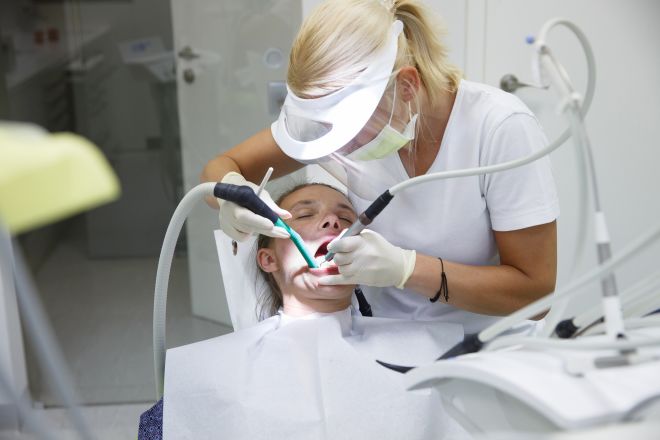

Professional teeth cleaning is important in reaching parts of the mouth brushing and flossing cannot reach. Just as regular check-ups with your dentist are important, so are regular teeth cleanings too.
Key takeaways:
– Most cleanings are performed by a dental hygienist who will exam the teeth first for signs of decay and gum disease.
– Tartar will be removed from the teeth during the professional cleaning, usually with a scaler.
– When the plaque and tartar have been removed a grainy toothpaste is applied with an electric brush to polish the teeth.
“Once all the harmful bacteria and plaque have been removed from your teeth, you’ll get a full- mouth rinse before your hygienist applies a fluoride treatment.”
Read the full story here
https://yourdentalhealthresource.com/teeth-cleaning/
Uncategorised
Are There Any Dental Diseases Which May be Hereditary?
Research suggests it is possible for a person to inherit certain dental diseases. Your dentist can help you maintain your oral health and advise you during your regular check-ups and teeth cleanings.
Key takeaways:
– Genetics could make you more likely to have gum disease, making dentist appointments even more crucial.
– You should inform your dentist of any family history of oral cancer as it is possible you may be more susceptible to the disease.
– Research suggests teeth enamel defects may be hereditary, putting you more at risk of cavities.
“When tooth enamel is missing on parts of your teeth, the softer tissues of your tooth are exposed to bacteria that can lead to tooth decay.”
Read the full story here
https://yourdentalhealthresource.com/which-dental-diseases-may-be-hereditary/
Will Using Water Floss be Better for my Teeth Compared to Regular Floss?
Brushing your teeth does not always remove food debris stuck between teeth, which is why flossing in any form is important. Your dentist would want you to floss daily to help prevent problems like gum disease.
Key takeaways:
– A water floss device is not always convenient when travelling as it requires a plug or batteries.
– Regular floss is effective in removing plaque from teeth, but misuse or overuse can harm gums.
– Water floss uses a thin stream of water which can make it easier to clean around braces.
“Flossing is key to keeping your smile free of gum disease and preventing tooth loss. By flossing just once a day, you can prevent serious problems with your smile later on.”
Read the full story here
Am I a Candidate for a Dental Crown?
A dental crown can restore confidence in your smile by restoring a decayed or damaged tooth. The natural colour and shape of the crown will make it feel part of your natural teeth.
Key takeaways:
– When properly cemented in to place by a dentist the crown covers any misshapen or discoloured tooth.
– If the dental cement used deteriorates, it can lead to a loosening of the dental crown.
– Dental crowns are a good option for anyone who has badly damaged, loose or chipped teeth.
“Those who have lost their teeth to a traumatic injury or periodontal disease can have crowns together with dental implants or dental bridges.”
Read the full story here
http://fooyoh.com/fitness_health/15343681/benefits-risks-and-candidacy-of-dental-crowns
Does a Dental Implant Help Prevent Gum Disease?
Although a dental implant is a good, sturdy tooth replacement, the surrounding gum tissue can still be susceptible to gum disease. A dentist will not fit an implant while the gum is infected.
Key takeaways:
– Jawbone is lost when a tooth is missing, but a dental implant supports the bone which in turn supports the teeth.
– You can still have a dental implant if you have had gum disease, so long as the issue has been resolved.
– As well as gum disease, smoking and lack of supportive jawbone can prevent a dental implant being fitted.
“Lost jawbone can make your face appear less full and more sunken, leading to an older appearance. Dental implants can essentially halt the bone loss process and generate better jawbone density even if you’ve been missing teeth for years.”
Read the full story here https://yourdentalhealthresource.com/dental-implants/
Basic Guidelines For Electric Toothbrush Maintenance
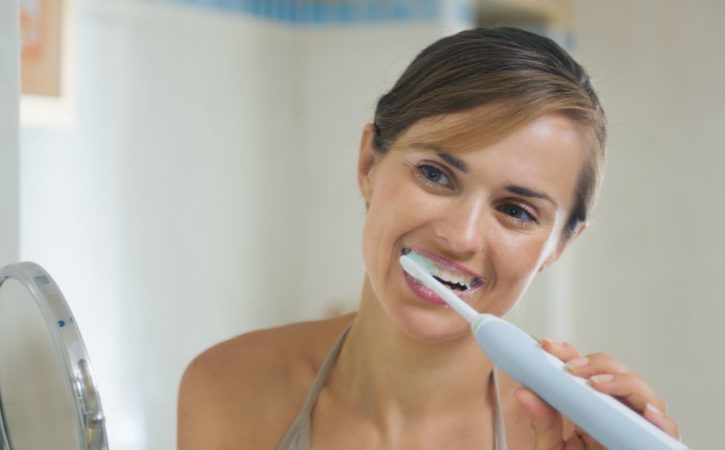
Getting an electric toothbrush can be a great investment in the health of your teeth and mouth, as long as some basic care and maintenance guidelines are followed.
Key takeaways:
– Electric toothbrushes can accumulate bacteria just like regular toothbrushes, so hygiene is crucial.
– The toothbrush head should be replaced every 3 to 4 months.
– It should also be replaced if you’ve been ill or if you’ve been treated for cavities or gum disease.
Don’t forget to have regular cleaning treatments at the dentist office to complement your dental hygiene routine at home.
Read the full story here: https://yourdentalhealthresource.com/when-should-i-replace-my-electric-toothbrush-head/
What Potential Complications Can Arise From Wisdom Teeth Removal?
Although wisdom teeth removal is a common procedure and considered safe, potential complications can occur. If you have any concerns following an extraction do not hesitate to consult with your dentist.
Key takeaways:
– Dry socket is a complication resulting from the blood clot from the extraction not forming properly or being dislodged.
– Symptoms of an infection include persistent swelling, increasing pain and a bad taste in the mouth.
– Some people may experience excessive bleeding and should consult their dentist with any concerns.
“You’ll need to be treated by your dentist for an infection; an antibiotic will usually suffice if the infection is caught early enough.”
Read the full story here
https://yourdentalhealthresource.com/what-are-the-potential-complications-of-wisdom-tooth-removal/
Symptoms and Causes of Tongue Discoloration
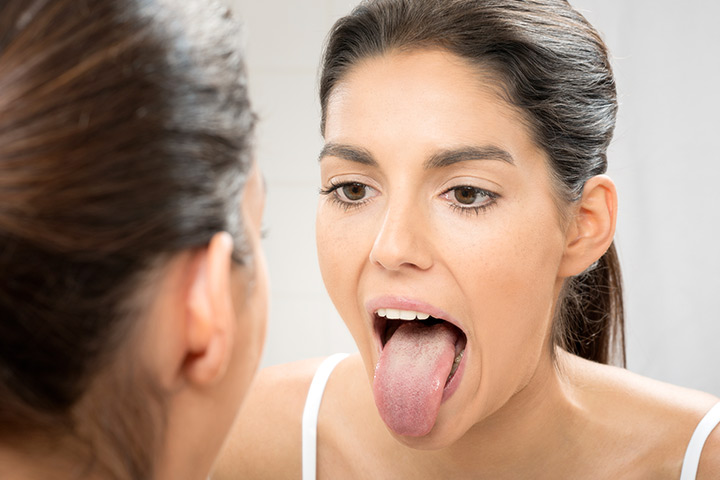
Is your tongue discoloured? It happens when papillae (the structures that give the tongue its texture) become discoloured. Here are the causes and remedies for tongue discolouration.
Causes of discolouration:
– Fever, dehydration
– Scarlet fever, leukoplakia, and other medical conditions,
– Tobacco use and poor oral hygiene.
See your doctor and dentist to have your tongue and teeth checked.
Remember to brush your tongue daily and rinse after consuming staining foods. Also book appointments at the dentist to have your mouth professionally cleaned.
Read more here:
https://yourdentalhealthresource.com/tongue-discoloration-symptoms-causes-and-treatments/
Will Braces Work If I Have Veneers?
Veneers can go a long way helping you achieve a radiant smile, but if you need additional treatment to straighten your teeth, you may need to consider orthodontic appliances like braces.
Key takeaways:
-You will need to have X-rays done to determine if braces will work for you.
– Traditional braces may be an option if your veneers are in good shape.
– Otherwise, your orthodontist may recommend plastic removable aligners like Invisalign.
You can always ask your dentist for a referral to an orthodontist for further assessment.
Read the full story here: https://yourdentalhealthresource.com/can-i-have-braces-or-invisalign-if-i-have-dental-veneers/
Healthy Smile Improves Quality of Life
Stained, discoloured and unevenly coloured teeth are a real drawback when it comes to personal and professional relationships as they are unsightly and unattractive.
However, maintaining a good dental health regimen and seeing the dentist regularly may not be enough to achieve the gleaming white smile you desire. Having your teeth professionally whitened may be the best option.
A bright and confident smile can improve everyday life as it makes you look:
– Healthier
– Younger
– More attractive
Many people first notice another person’s smile and are “naturally drawn to teeth that appear whiter” and whitening achieves this objective. More advantages of teeth whitening can be read at https://yourdentalhealthresource.com/how-a-bright-smile-can-change-your-relationships/.