
Replace A Missing Tooth: Your Options

replace a missing tooth

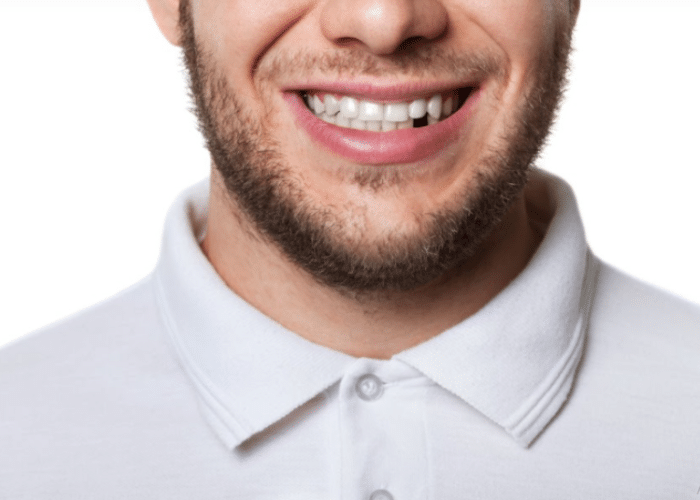
Losing a tooth is never pleasant but the good news is that there are a number of replacement options available to the modern dentist. Depending on where the missing tooth was located — and overall dental health — the dentist can discuss which replacement option is best suited to your needs. 

Options include:

  • Dental Implant — a natural-looking replacement tooth 
  • Partial Denture — an artificial tooth that is attached to a metal framework
  • Dental Bridge — an artificial tooth supported by neighboring teeth

Each method has its own pros and cons but each will restore the natural feel and colour of real teeth. Dental implant is probably the best option as they have a very high success rate. 

Read more at https://yourdentalhealthresource.com/here-are-your-options-for-replacing-a-lost-tooth/

What You Should Know About Sugar and Your Teeth

what you should know about sugar and your tooth

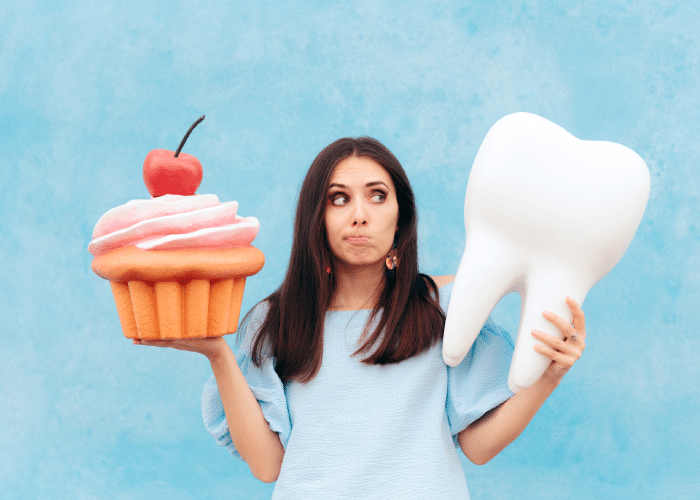
When you eat sugary foods, the bacteria in your mouth produces acid. This acid attacks the enamel on your teeth and can cause decay, cavities and sensitivity.

Key takeaways:

– Reduce the amount of sugar in your diet.

– Drink plenty of water during the day to reduce acidity.

– Wait an hour before brushing your teeth to avoid damaging softened tooth enamel.

Sugar affects your general health and your dental health. See your dentist for regular checkups.

“…your dentist is there to help you keep your teeth healthy and minimize sugar’s effect on your smile!”

Read More:

https://yourdentalhealthresource.com/how-does-sugar-impact-your-teeth/

Acid Reflux Affects Your Teeth

acid reflux

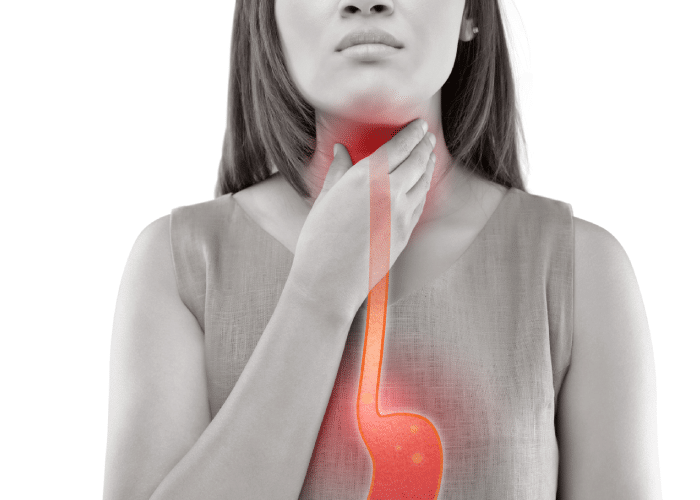
Acid reflux causes heartburn, resulting in stomach acids coming up, up, up into the oral cavity. Your dentist will monitor the effects of acid reflux on your teeth during regular dental appointments.

Key takeaways:

  • Stomach acids can erode tooth enamel and lead to tooth sensitivity.
  • Erosion of the tooth enamel may change the appearance of your teeth, including looking yellow or darker in colour.
  • Inform your dentist you have acid reflux, and they can advise you on protecting your teeth and gums.

“You also should never brush your teeth immediately after an episode of heartburn or acid reflux, as it can harm tooth enamel even more.”

Read the full story here

https://yourdentalhealthresource.com/how-does-acid-reflux-affect-your-smile/

Preventing Bottlemouth Syndrome

preventing bottle mouth syndrome

Bottlemouth syndrome, or baby bottle tooth decay, affects young children who are overexposed to sugar through drinking from a bottle. Sugars contained in drinks turn to acid in the mouth and damage tooth enamel. 

Best practices to avoid bottlemouth syndrome include:

  • Avoid or limit sugary drinks
  • Limit the time spent on a bottle
  • Don’t let baby take a bottle to bed
  • Brush teeth with a mild fluoride toothpaste twice daily

The condition mainly affects the front teeth but can spread to other teeth if not caught and treated early by a dentist who can spot decay early as part of a regular dental check-up routine and take corrective measures. 

Find out more about bottlemouth syndrome at https://yourdentalhealthresource.com/what-is-bottlemouth-syndrome/

Basic Steps To Prevent Tooth Loss

prevent tooth loss

Losing one or more teeth is a worrying prospect, but there are things you can do to reduce the likelihood of this happening and to enjoy better oral health.

Key takeaways:

  • Don’t skip appointments with your dentist, even if you don’t have any obvious problems. Regular appointments help detect problems in their early stages. Regular cleanings help keep teeth and gums problem-free.
  • Quit smoking, as this habit increase the risk of developing infection and gum disease, which can lead to tooth loos.
  • Take oral hygiene seriously by brushing and flossing daily.

Missing teeth can be replaced, but prevention is always better than cure.

Read the full story here: https://yourdentalhealthresource.com/what-factors-might-contribute-to-tooth-loss/ 

Laughing Gas: A Serious Matter

laughing gas

Laughing gas, more properly known as nitrous oxide, is often a subject of humour — but laughing gas has a very serious application in dentistry.

Nitrous oxide is commonly used as a sedative to relax patients during minor procedures involving the teeth and gums. 

The benefits of laughing gas:

  • Relaxes patients without rendering them unconscious
  • Is ideal for nervous patients and children
  • Is considered safe and effective

Although reactions from laughing gas are rare, they can happen if the dentist accidentally administers too big a dose but such incidents are extremely unlikely. 

Find out more about laughing gas at https://yourdentalhealthresource.com/spotlight-on-laughing-gas-everything-you-want-to-know-about-this-form-of-sedation-dentistry/

The Dental Health Risks from Crooked Teeth

Dental Health Risks

Crooked or misaligned teeth are quite common, but for some people it may impact on their dental health. Your dentist can advise on the treatment options available to correct alignment issues.

Key takeaways:

  • Crooked teeth are harder to clean thoroughly, leading to a buildup of bacteria which increases the risk of tooth decay and gum disease.
  • Having crooked teeth can result in a misaligned bite, placing you at increased risk of pain and discomfort from temporomandibular joint disorder (TMJ).
  • A misaligned bite can make chewing difficult and uncomfortable.

If you have crooked teeth, talk to your dentist about orthodontic options (braces) that can give you straight teeth quickly — and that are often barely noticeable.

Read the full story here

https://yourdentalhealthresource.com/the-long-term-health-risks-of-crooked-teeth/

Tips for Cleaning Teeth while Wearing Braces

tips for cleaning teeth while wearing braces

Metal braces are great for straightening teeth but can make brushing and flossing difficult. 

Top tips:

– Use an electric toothbrush because the smaller rotating head is very effective at removing plaque.

– Talk to your dentist about using interdental cleaners or flossers to help clean under the metal wires.

– Consider using mouthwash too.

If you are struggling to keep your teeth clean, talk to your dentist who will be able to provide more tips.

“If you do choose to stick with a manual toothbrush, keep in mind that your toothbrush bristles may wear out faster than normal.”

Read more:

https://yourdentalhealthresource.com/how-to-fight-plaque-while-wearing-braces/