Benefits of Water Flossers

benefits of a water flossers

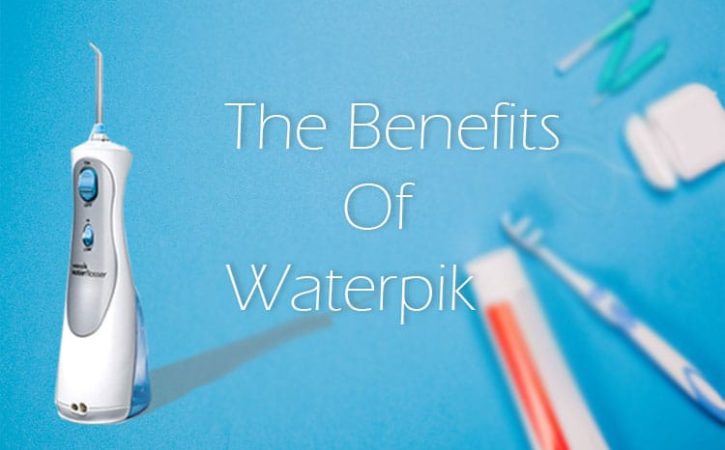
An electronic water flosser, sometimes called a Waterpik, is an alternative to dental floss. A waterpik works by directing a pressurised jet of water between the teeth and into awkward areas that a toothbrush or string floss cannot access. 

Water flossers are not cheap but they do have some distinct advantages over dental floss as they:

  • Are more effective in cleaning around dental braces or crowns
  • Can clean under the top of the gums
  • Can easily clean between tightly spaced teeth

Water flossers are also more effective than floss at removing plaque from tooth surfaces and your dentist can recommend the best type of water flosser for your particular requirements. Read more at https://yourdentalhealthresource.com/is-a-waterpik-better-than-dental-floss/

Three Things To Consider Before Having A Filling

three things to consider before having a filling

Because there are several types of fillings, choosing the right one for your teeth can be confusing. Here are three things to bear in mind when having a filling.

Key takeaways:

  • How big the area to be filled is: porcelain is best for large fillings, whereas composite works mainly in small and medium-sized areas.
  • Visibility: silver fillings are the most noticeable. Resin and porcelain offer the most natural appearance.
  • Cost: composite resin fillings are the cheapest, and gold and porcelain the most expensive.

If you’re still in doubt, have a chat with your dentist to see which filling material they recommend.

Read the full story here: https://www.colgate.com/en-us/oral-health/procedures/fillings/what-is-a-filling 

Why is it Important to Wear Your Retainer?

importance of wearing a retainer

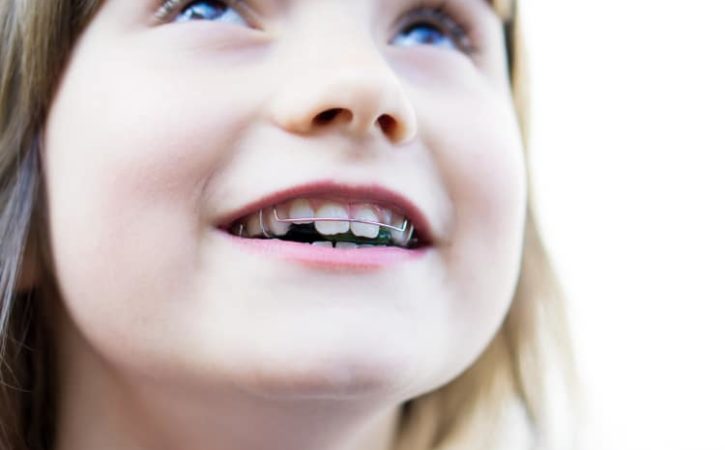
Retainers are custom-made devices which are intended to be worn so teeth don’t shift position after braces are removed. What are some of the reasons why this device should be worn as recommended?

  • Your teeth may otherwise shift and require further attention.
  • Shifting teeth can lead to other orthodontic problems.
  • Retainers are generally comfortable and easy to wear.

“The vast majority of people who receive orthodontic treatment will need to wear a retainer after their teeth are straightened.”

Check out why it is important to follow the instructions of your dentist:

https://yourdentalhealthresource.com/do-i-really-need-to-wear-my-retainer-forever-and-why/

Denplan – new patient half price offer

denplan-offer

New patients joining our Denplan Essentials cover plan will receive a half price registration appointment (£45 instead of £90)*. This appointment includes a full clinical examination and radiographs as necessary.

They will also get an added benefit of the 5% discount on treatment fees straight away.

*If Denplan is cancelled within 3 months, the  difference between coverage (private fees/Denplan) will need to be paid.

When Should My Child Have Braces?

when should my child have braces

As soon as your child’s permanent teeth come through it’s advisable to get their teeth assessed by the dentist to see if any orthodontic work is required:

– Early assessment of teeth alignment can identify and treat any problems, saving extensive treatment being required later on in life.

– Some orthodontic correction can wait until children are teenagers.

– The average treatment time needed to fix most children’s teeth is just under two years.

The first orthodontist visit should be at age 7, and is usually simple and painless for children, and will involve an exam and some questions, including x-rays. 

Read the full story here: https://yourdentalhealthresource.com/what-is-the-best-age-for-your-child-to-have-braces/

How Dental Health Affects Athletic Performance

how dental health affects athletic performance

Poor dental health can impact on your overall health, including your athletic performance. By looking after your teeth and gums, including regular check-ups with your dentist, you can help your physical performance.

Key takeaways:

  • Tooth decay and gum disease can lead to inflammation in the body, making it hard to maximise athletic performance.
  • Dehydration from sports can cause dry mouth, increasing the risk of cavities and gum disease.
  • Pain from your teeth and gums can affect sporting performance and make it difficult to fully apply yourself to a contest or event.

“Athletes that have existing oral health problems such as tooth decay have a higher chance of sustaining an injury to their smile during their sport or competition.”

Read the full story here

https://yourdentalhealthresource.com/poor-dental-health-could-be-impacting-your-athletic-performance/

Improve Your Sleep Quality For Better Oral Health

improve your sleep quality

There are several ways to keep your teeth and gums in good shape: good dental hygiene, regular visits to the dentist, and getting enough sleep every night.

Key takeaways:

  • Researchers have found a link between lack of sleep and gum disease.
  • Poor sleep quality is associated with a weaker immune system, which can put you at risk of cavities and oral thrush.
  • Poor sleep quality is also linked to snoring, which causes dry mouth and a higher risk of decay.

If you do snore regularly, and loudly, it’s possible you have a condition called obstructive sleep apnoea. When you have this medical problem, the airway closes off during sleep, causing pauses in breathing that can seriously affect your overall health — including oral health.

Keep a regular sleep schedule to strengthen your immune system and to protect your oral health. If you snore regularly, and wake up gasping for air, talk to your dentist and your doctor about these symptoms — so you can get the treatment you need.

Read the full story here: https://yourdentalhealthresource.com/your-sleep-schedule-could-be-impacting-your-dental-health/