Dental Implants in Swindon

Types of Dental Implants

Single Tooth Implants

Single tooth implants are used to replace one missing tooth. The implant supports a natural-looking crown without relying on neighbouring teeth for support.
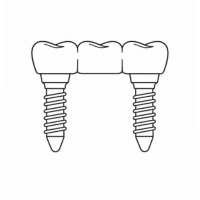
Implant-Supported Bridges

Implant-supported bridges are used to replace several missing teeth in a row. The bridge is supported by dental implants rather than natural teeth, providing a strong and stable solution.
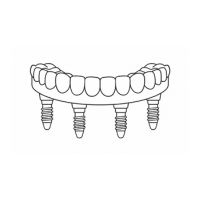
Full Arch Dental Implants

Full arch dental implants use multiple implants to support a complete set of upper or lower teeth. This option is suitable for patients missing most or all of their teeth.
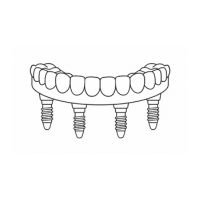
Implant-Retained Dentures

Implant-retained dentures use dental implants to stabilise loose or removable dentures, improving comfort and confidence when eating and speaking.
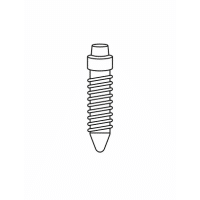
Mini Dental Implants

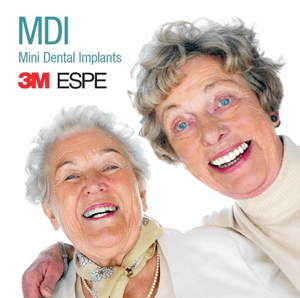
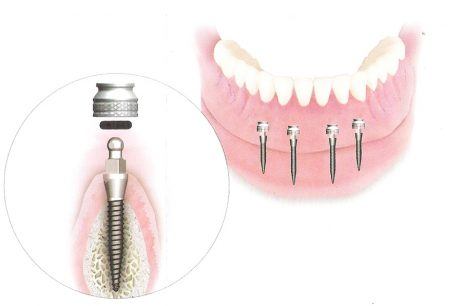
Mini Dental Implants (MDI™) offer a minimally invasive solution, often used to stabilise dentures. They are suitable for patients who may not be able to have conventional implants.
What are Dental Implants?

Dental implants are small titanium posts placed into the jawbone to act as strong, permanent replacements for natural tooth roots. As the implant heals, it bonds with the bone to create a stable foundation.

Once healed, a custom-made crown, bridge, or denture is securely attached, restoring the appearance and function of the missing teeth. Dental implants look and feel like natural teeth and allow you to eat, speak, and smile with confidence.

Dental implants are a well-established treatment, with around 90% of modern implants remaining healthy and functional for at least 15 years when properly maintained.

Benefits of Dental Implants

Dental implants are one of the most effective and long-lasting solutions for replacing missing teeth. They offer a range of benefits for both your oral health and overall quality of life.

Natural Look and Feel

Dental implants are designed to look, feel, and function like natural teeth. The replacement teeth are custom-made to blend seamlessly with your smile, allowing you to speak and smile with confidence.

Strong, Stable, and Secure

Because implants are anchored into the jawbone, they provide excellent stability. This means you can eat your favourite foods without worrying about movement or discomfort, unlike some removable options.

Long-Lasting Solution

With good oral hygiene and regular dental check-ups, dental implants can last many years. Studies show that around 90% of modern implants remain functional for at least 15 years, making them a reliable long-term investment.

Helps Preserve Jawbone and Facial Structure

When a tooth is lost, the jawbone beneath it can begin to shrink. Dental implants help stimulate the bone in a similar way to natural tooth roots, reducing bone loss and helping to maintain your facial shape.

Protects Healthy Teeth

Unlike bridges, dental implants do not rely on neighbouring teeth for support. This means healthy teeth do not need to be altered or prepared, helping to preserve your natural tooth structure.

Improved Comfort and Confidence

Implants become a fixed part of your mouth, eliminating the discomfort, movement, or irritation often associated with removable dentures. This can greatly improve day-to-day comfort and self-confidence.

Easy to Care For

Dental implants are cared for in much the same way as natural teeth. Regular brushing, flossing, and routine dental visits are usually all that’s needed to keep them healthy.

Dental Implant Before & Afters

At Brunel Dental Practice

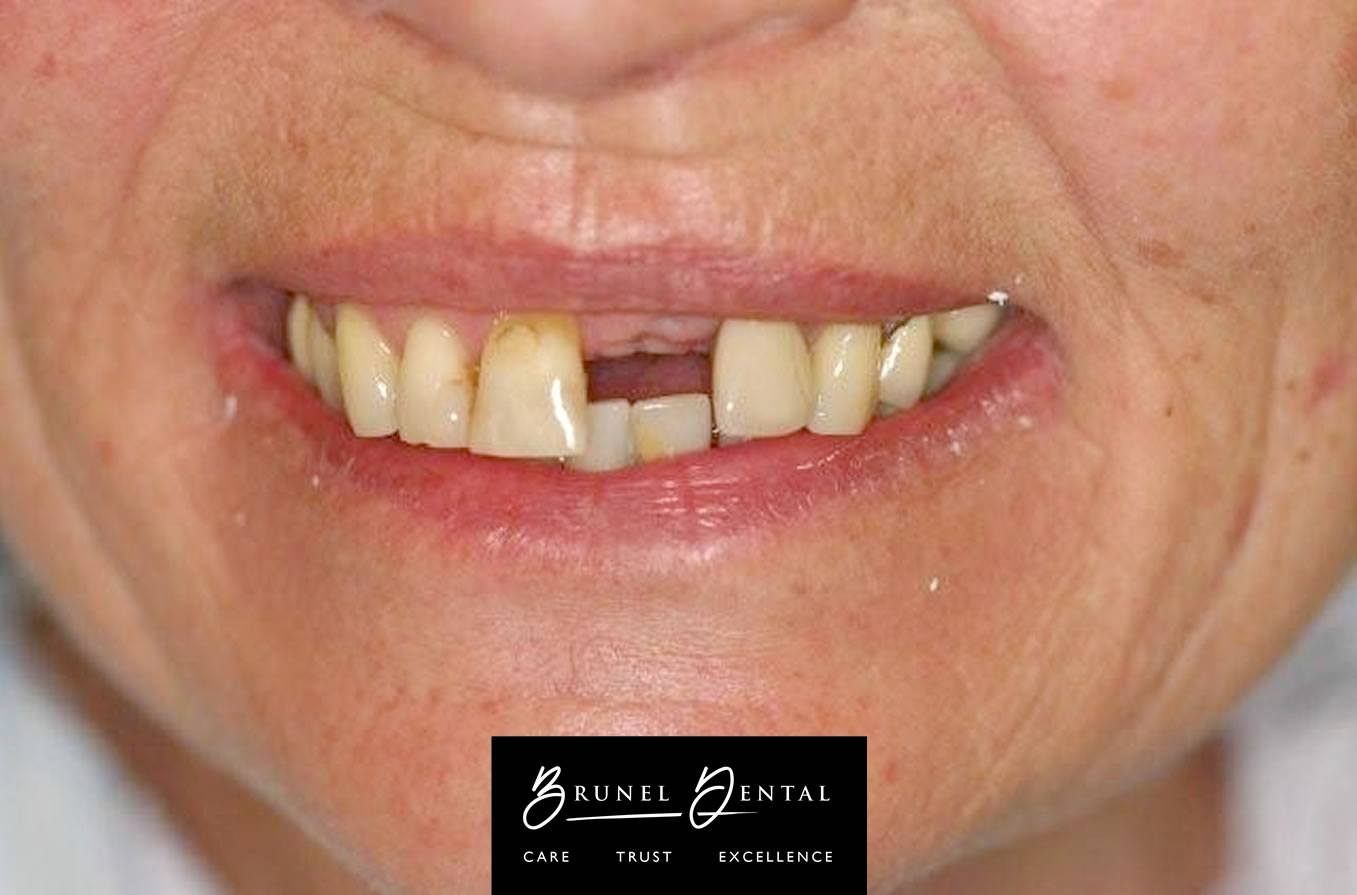
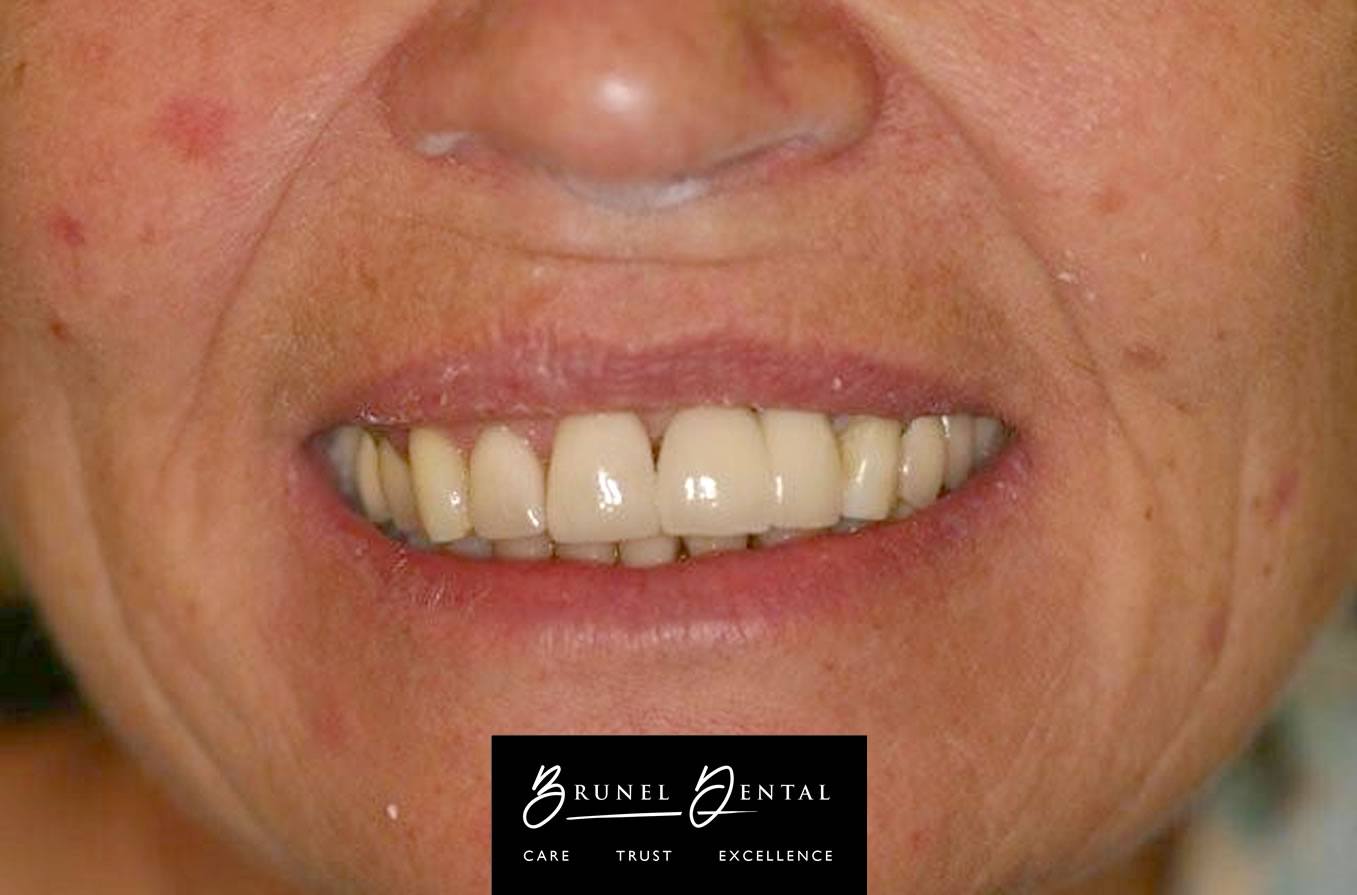
Dental Implants After Image | Swindon | Brunel Dental Practice After
Dental Implants Before Image | Swindon | Brunel Dental Practice Before
Dental Implant
Frequently asked questions

Implants are a well-established, tried-and-tested treatment. 90 per cent of modern implants last for at least 15 years.

Yes. You can have any number of teeth replaced with implants – from one single tooth to a complete set.

It depends on the state of the bone in your jaw. We will arrange for a number of special tests to assess the amount of bone still there. If there is not enough, or if it isn’t healthy enough, it may not be possible to place implants without grafting bone into the area first.

Placing the implants requires a small operation. This can be carried out under local anaesthetic. You will not feel any pain at the time, but you may feel some discomfort during the week following the surgery. This is usually due to having stitches in place, and the normal healing process.

No. The implants need to bond (integrate) with the bone after they have been placed. This takes at least 3 months in the lower jaw and 6 months in the upper jaw. If you are having one, two or three teeth replaced, you will have a temporary restoration in the meantime. If you have complete dentures, then you can wear them throughout the healing period once they have been adjusted after the surgery.

It takes about 12 months from the initial assessment to the time when the artificial teeth or dentures are finally attached to the implants. However, if only the lower jaw is involved then it may only take around 5 months.

A lot depends on how complicated your treatment is.We will be able to give you a timetable once the surgery has been done.

Cleaning around the teeth attached to the implants is no more difficult than cleaning natural teeth. However, there may be areas that give you problems and you’ll be shown methods to help.

Yes, if you don’t care for them well enough. If you keep them clean, and don’t smoke, then you should not have any problems.

Most artificial teeth attached to implants can only be placed and removed by the dentist. However, if you have complete dentures fixed to the implants by bars, then you’ll be able to take them out for cleaning.

We will make sure that the implants won’t show during all normal movements of the mouth and lips. You will need to be able to see them, so that you can clean them properly.

No, unless you’re only having a single tooth replaced. Normally, five or six implants are used to replace all the teeth in one jaw, as each implant can usually support two teeth. For a few missing teeth, two or three implants may be used.

Implants and the teeth they support can be damaged by an accident in the same way that natural teeth can. However, if the false teeth are damaged and the remnants are left in the bone then they may be more difficult to remove than natural teeth would be. After healing, new false teeth can then be placed alongside the fragments.

This happens very rarely. If the implant becomes loose during the healing period or just after, then it is easily removed and healing takes place in the normal way. Once the jaw has healed, another implant can be placed there. Or, we can make a bridge, using the implanted false teeth that have ‘taken’.

Denture Stabilisation

with the Mini Dental Implant system

Mini Dental Implants (MDI™) offer a minimally invasive treatment solution for loose dentures. They are suitable for patients who cannot afford or tolerate conventional implants.

Denture stabilisation can have a dramatically positive effect on your quality of life. Imagine being able to eat, drink and laugh with confidence, without fear of your denture moving or falling out. No more embarrassing social situations or limitations on the foods you can enjoy.

This simple, permanent and highly successful one-hour dental procedure means you can now choose everything on the menu!

Treatment typically starts from around £1,500 per denture.

Mini Dental Implants | Swindon | Brunel Dental Practice
Benefits of Mini Dental Implants | Swindon | Brunel Dental Practice

MDI Benefits:

“I am absolutely delighted with the implants. Thank you for all your help”
Mrs O, Farringdon

MORE Options for missing teeth

Dentures

Dentures are worn to replace your natural teeth. They are usually made from lifelike resin teeth bonded to a plastic base. You will either have been fitted with a complete denture to replace all your teeth, or a partial denture. 

Partial dentures are usually held in place by clasps or metal clips, which fit around some of your remaining teeth.

Dentures | Swindon | Brunel Dental Practice
Dental Bridges | Swindon | Brunel Dental Practice

Bridge

A bridge is required when a tooth has had to be removed and there is no foundation left. 

A bridge is formed to the teeth on either side with a new tooth is formed between. This can be either by crowns on the supporting teeth, or metal wings.

£65 New Patient Consultation

We are accepting new patients so fill out the form below or call 01793 521646